“The cosmos is within us. We are made of star-stuff. We are a way for the universe to know itself.” Carl Sagan
Research Projects
My research has focused on studying the magnetic fields, atmospheres, and orbital evolution of exoplanets. Recently, I've also become interested in the search for extraterrestrial intelligence (SETI) research. My other research interests include studying Titan's atmosphere/surface and the magnetosphere of Jupiter. You can find a background on my research here: Background
Exoplanet Magnetic Fields
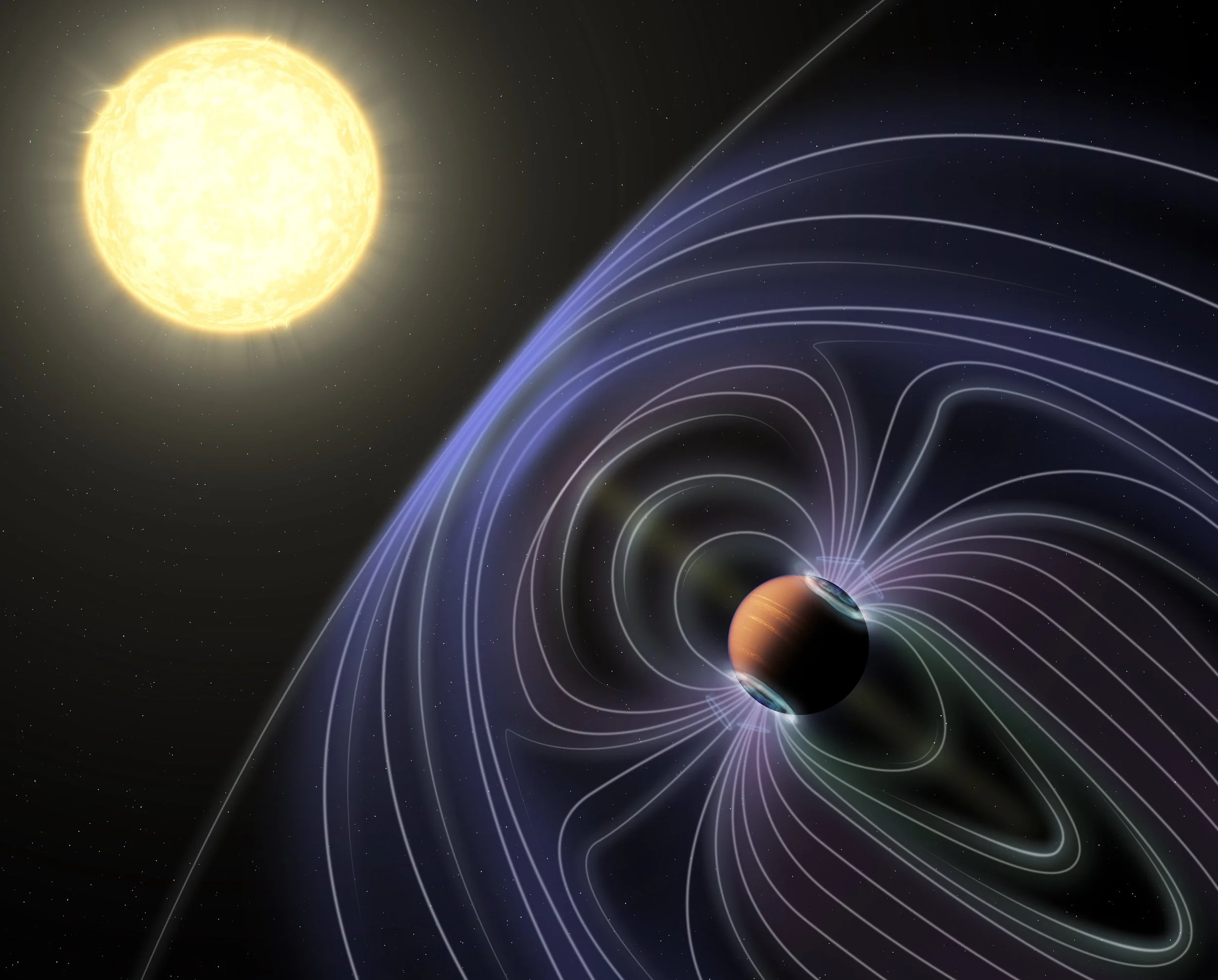
In this artistic rendering of the Tau Boötes b system, the lines representing the invisible magnetic field are shown protecting the hot Jupiter planet from solar wind. | Image Credit: Jack Madden
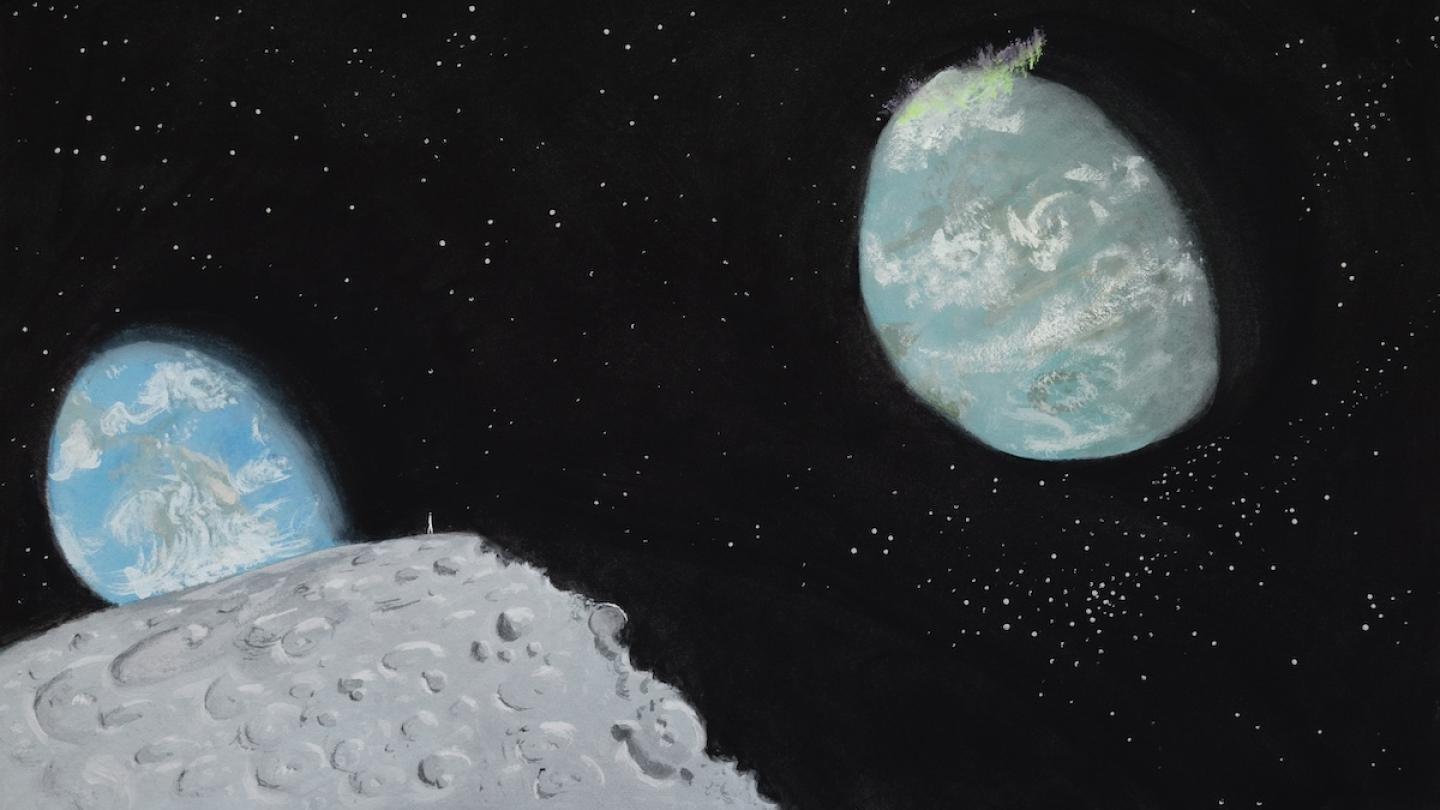
Astronomers may one day study the magnetic fields of Earth-like planets using radio telescopes from the far side of the moon. Foundation for this work will be done by NASA’s ROLSES mission, which will observe Earth as an exoplanet in the radio from the south pole of the moon. | Image Credit: Jack Madden (hand-painted)
Auroral Radio Observations
For over a decade, I have been at the forefront of studying exoplanets in the radio, which is one of the best ways to detect their magnetic fields.
I led an international team that published the first exoplanet radio observations with LOFAR (Turner et al. 2017) and NenuFAR (Turner et al. 2023). I also led the first radio exoplanet observations that covered the full orbit of an exoplanet (Turner et al. 2021).
First possible detection of an exoplanet in the radio!
In 2021, I led an international team that found the first possible detection of an exoplanet in the radio (Turner et al. 2021), which has been a 50-year quest. If confirmed, this would be an important and vital step forward for exoplanet science.
Our beamformed observations were from the LOFAR telescope in the Netherlands.
We observed the Tau Boötes (Tau Boo) system in this study, which contains a binary star and a hot Jupiter exoplanet. We conclude that auroral planetary radio emission from tau Boo b is the most likely source of the signal. Our detection looks exactly like attenuated Jupiter radio emission. Similarly, we find a planetary magnetic field, flux density, polarization, handiness, and observed orbital phase that is consistent with theoretical predictions including recent calculations from my groups (Ashtari et al. 2022, Mauduit et al. 2023).
Follow-up observations are ongoing to confirm the detection (Turner et al. 2023; Turner et al. 2024).
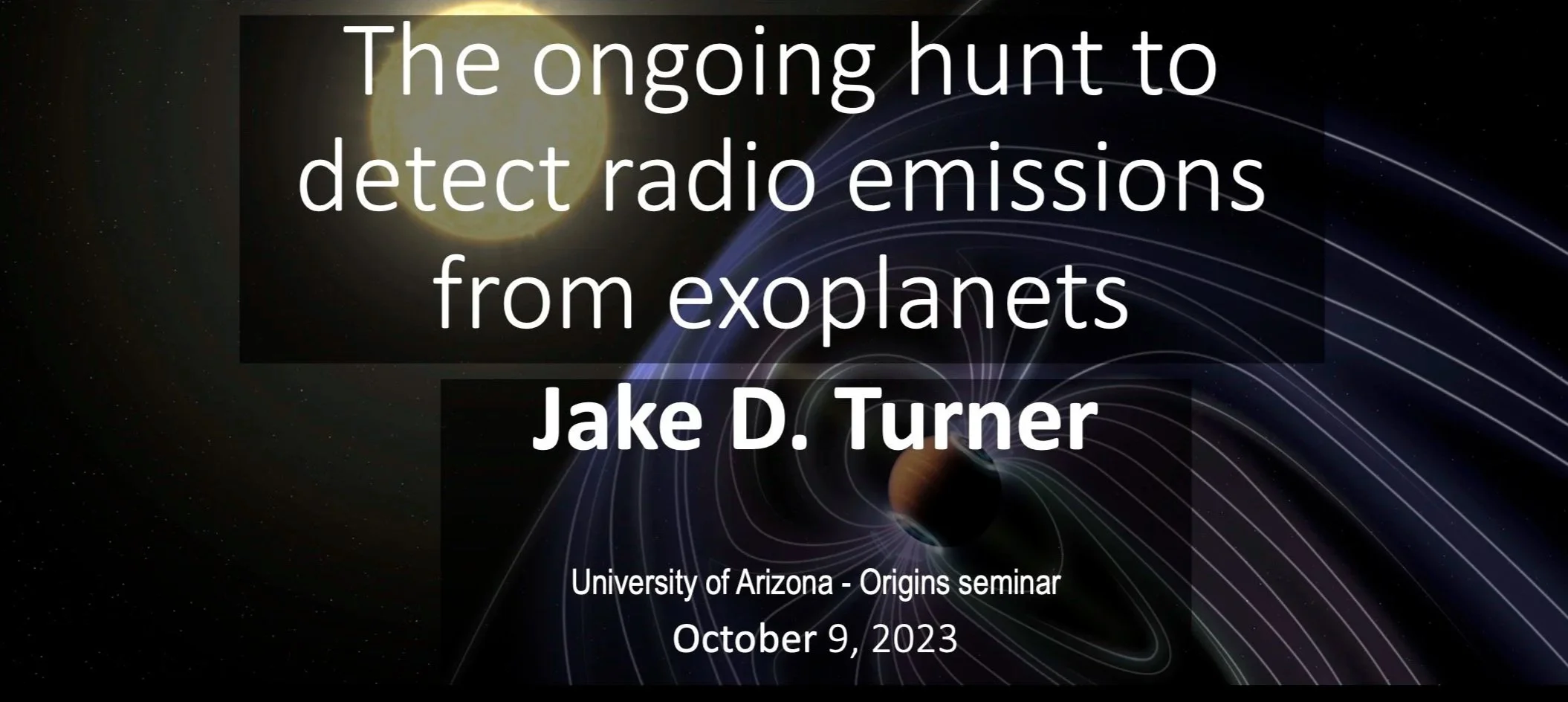
“The Ongoing Hunt to Detect the Radio Emissions of Exoplanets”. My Origins Seminar at Steward Observatory (University of Arizona, Tucson, AZ) presented on October 9, 2023.
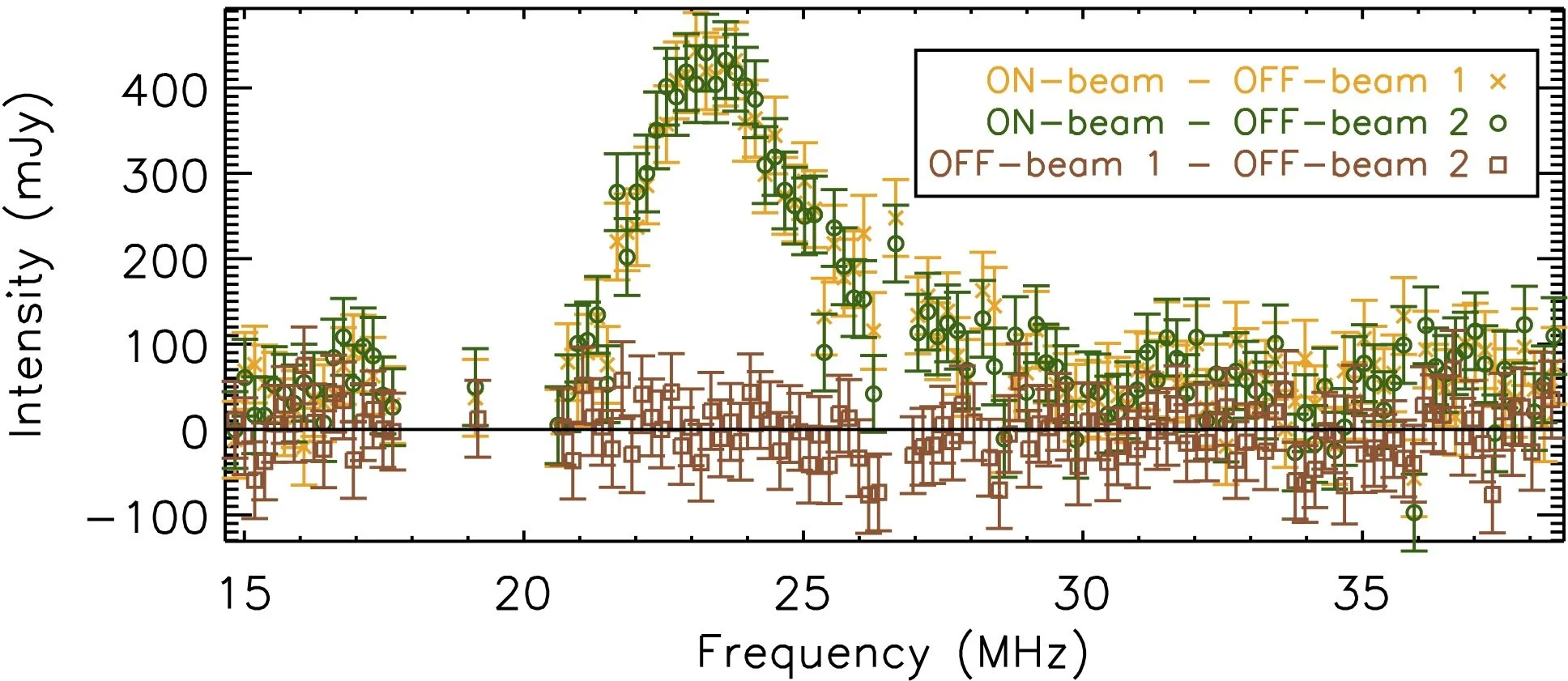
First possible detection of an exoplant in the radio. Slow and bursty emission was found in the tau Boo exoplanet system using LOFAR beamformed observations. An excess signal in the ON-beam is clearly seen compared to the OFF beams (Turner et al. 2021).
By monitoring the cosmos with a radio telescope array, an international team of scientists has detected radio bursts emanating from the constellation Boötes – that could be the first radio emission collected from a planet beyond our solar system. Cornell postdoctoral researcher Jake D. Turner explains the research. | Cornell University
An international team has just reported the first potential signs of radio emission from a planet beyond the solar system. The Carl Sagan Institute's Dr. Jake Turner, who led the research team, discusses the importance of this discovery with Dr. Ryan MacDonald. | Carl Sagan Institute
Our "Exoplanets and Stars" Key Science Program for the NenuFAR radio telescope has ongoing since 2020. We are surveying ~100s of exoplanets for over 10,000 hours of observations. Early results of the survey are encouraging!
My colleague Xiang Zhang led our study where we have the second possible detection of radio emission from a hot Jupiter system (HD 189733: Zhang et al. 2025). The burst was found in imaging observations using a newly developed technique.
Follow-up observations on NenuFAR are ongoing to confirm the detection.
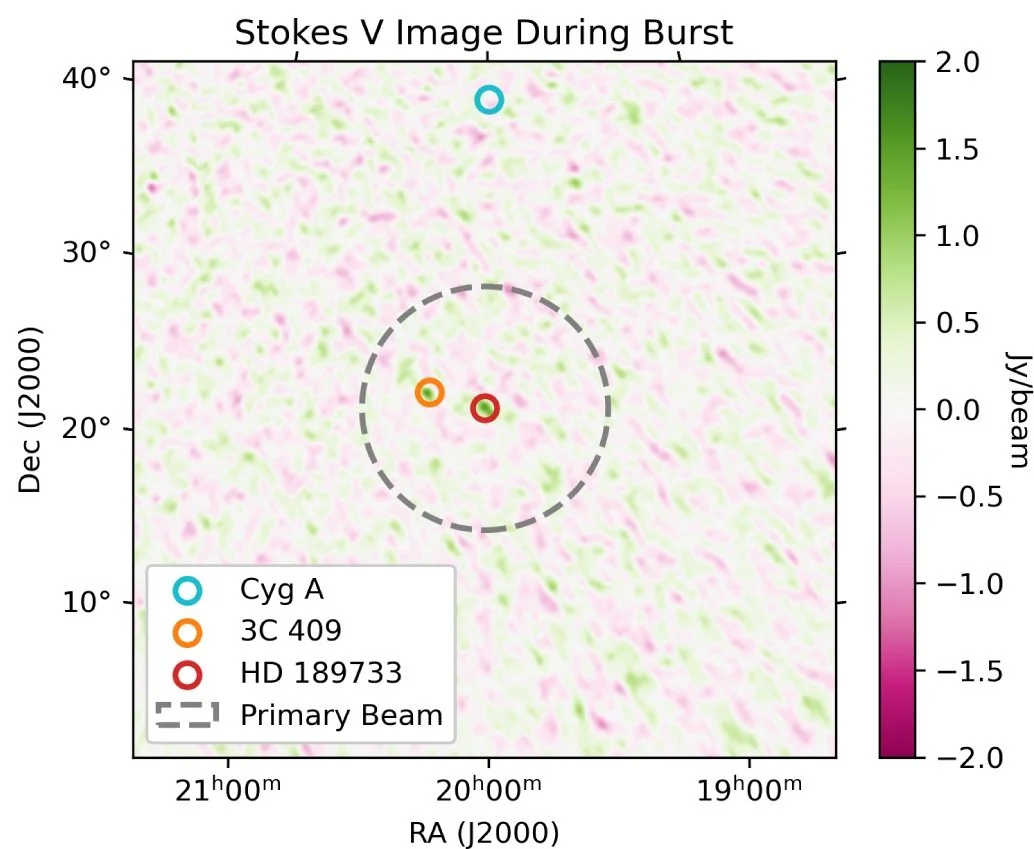
Second possible detection of an exoplanet in the radio. A burst found in the NenuFAR imaging observations from the HD 189733 exoplanetary system. Figure from Zhang et al. 2025.
For this work, I developed a state-of-the-art data reduction and analysis pipeline called BOREALIS that can analyze beamformed data from any radio telescope and search for radio emission from exoplanets.
Boreas is the mythical north wind god in Greek mythology and was believed to cause the northern lights on Earth to dance.
Also, I developed a first-of-its-kind procedure to simulate Jupiter’s (or any planet) radio emission as if it were an exoplanet (Turner et al. 2019).
Radio Telescopes in Space
I have also been actively preparing for the future study of exoplanets in the radio in space. I’m involved with 7 Lunar-based radio missions and 2 space-based radio missions (see the missions below).
In 2025, I lea a white paper submitted to the National Academy of Sciences, which detailed the immense scientific potential of studying exoplanets in the radio from the Moon (Turner et al. 2025).
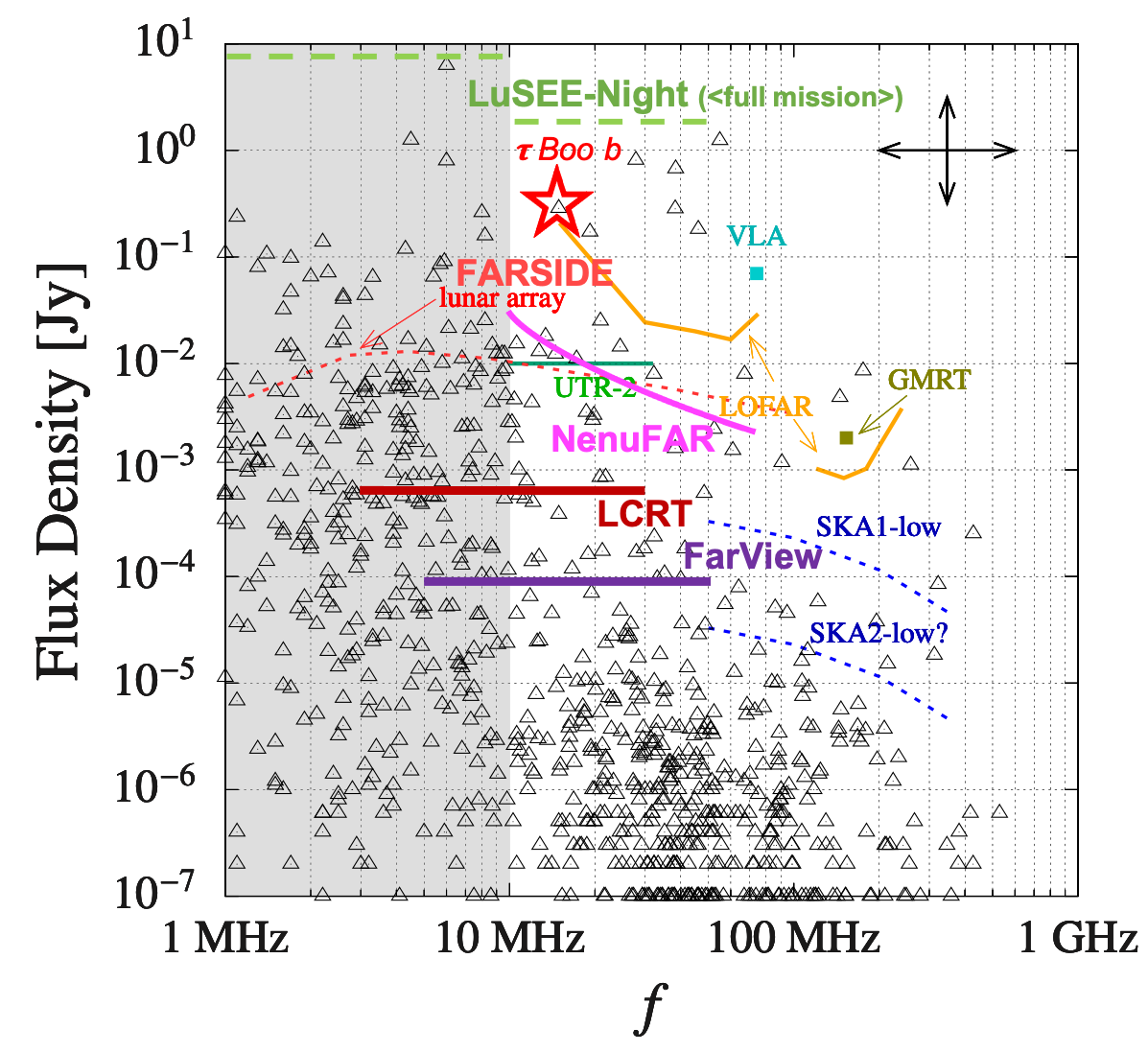
Predicted emission frequency and radio flux density for known exoplanets compared to the sensitivities of current and future ground- and space-based radio telescopes. Figure from Turner et. al. 2025.
NASA’s 1st Radio Telescope on the Moon!
I was the exoplanet science advisor for NASA's ROLSES low-frequency radio telescope that landed on the south pole of the Moon onboard Intuitive Machines' IM-1 mission on February 22, 2024. This mission is NASA's first radio telescope on the Moon and will be setting the foundation for more telescopes to come (see below). Being part of this mission has been a dream come true!
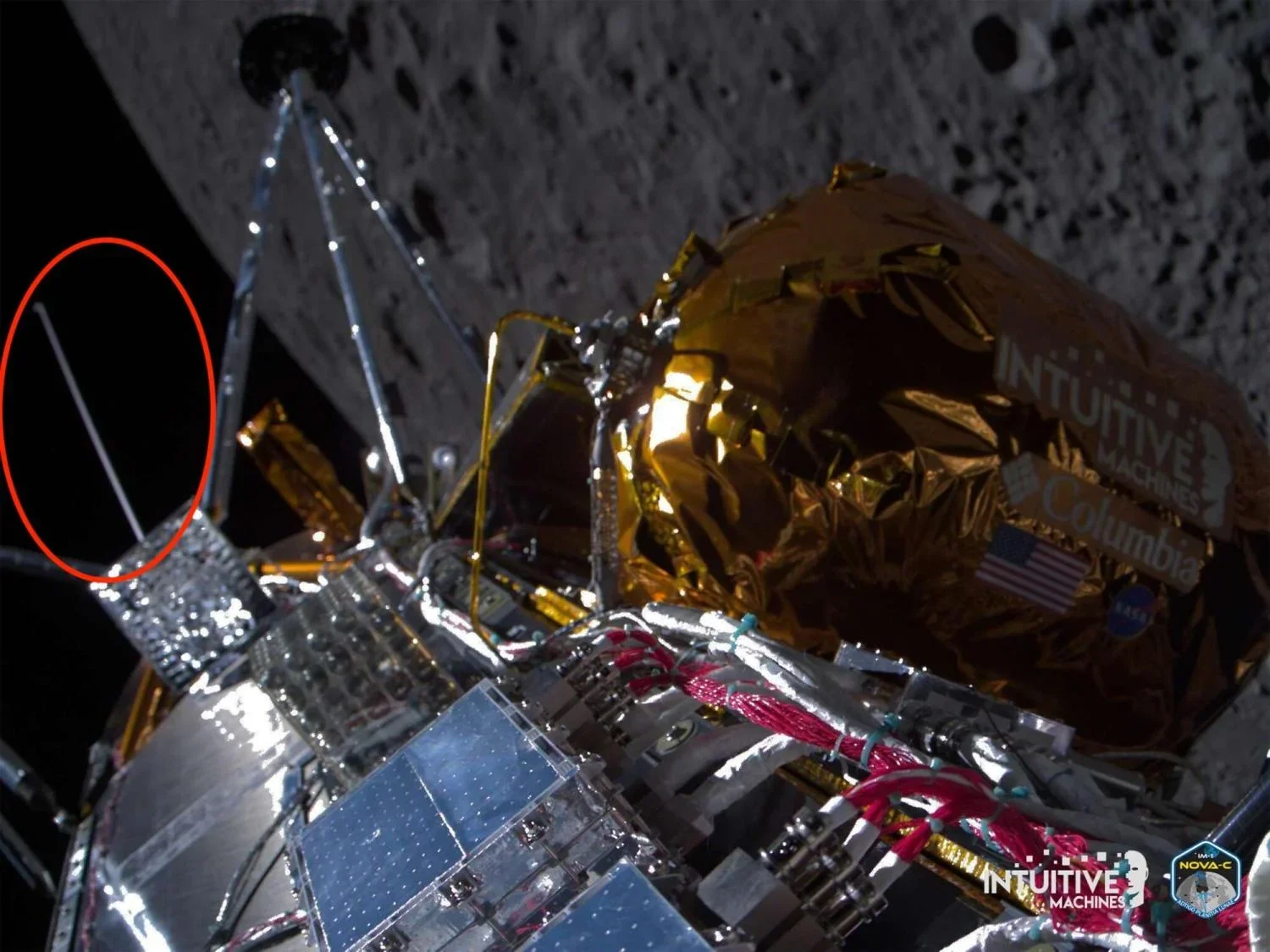
Intuitive Machines’ IM-1 lander returned this image from low lunar orbit, one day prior to its successful touchdown on the Moon. The red circle highlights one of ROLSES antennas. Photo Credit: Intuitive Machines
The ROLSES radio telescope is launching aboard the IM-1 lunar mission, informed by Cornell astronomer Jake Turner’s expertise in studying exoplanets via radio transmission. Aiming to help understand the effect of the lunar environment on future lunar surface radio observatories, this mission is a pathfinder for large lunar farside radio telescopes in the future. Video Credit: Cornell University
Involvement in space-based radio missions
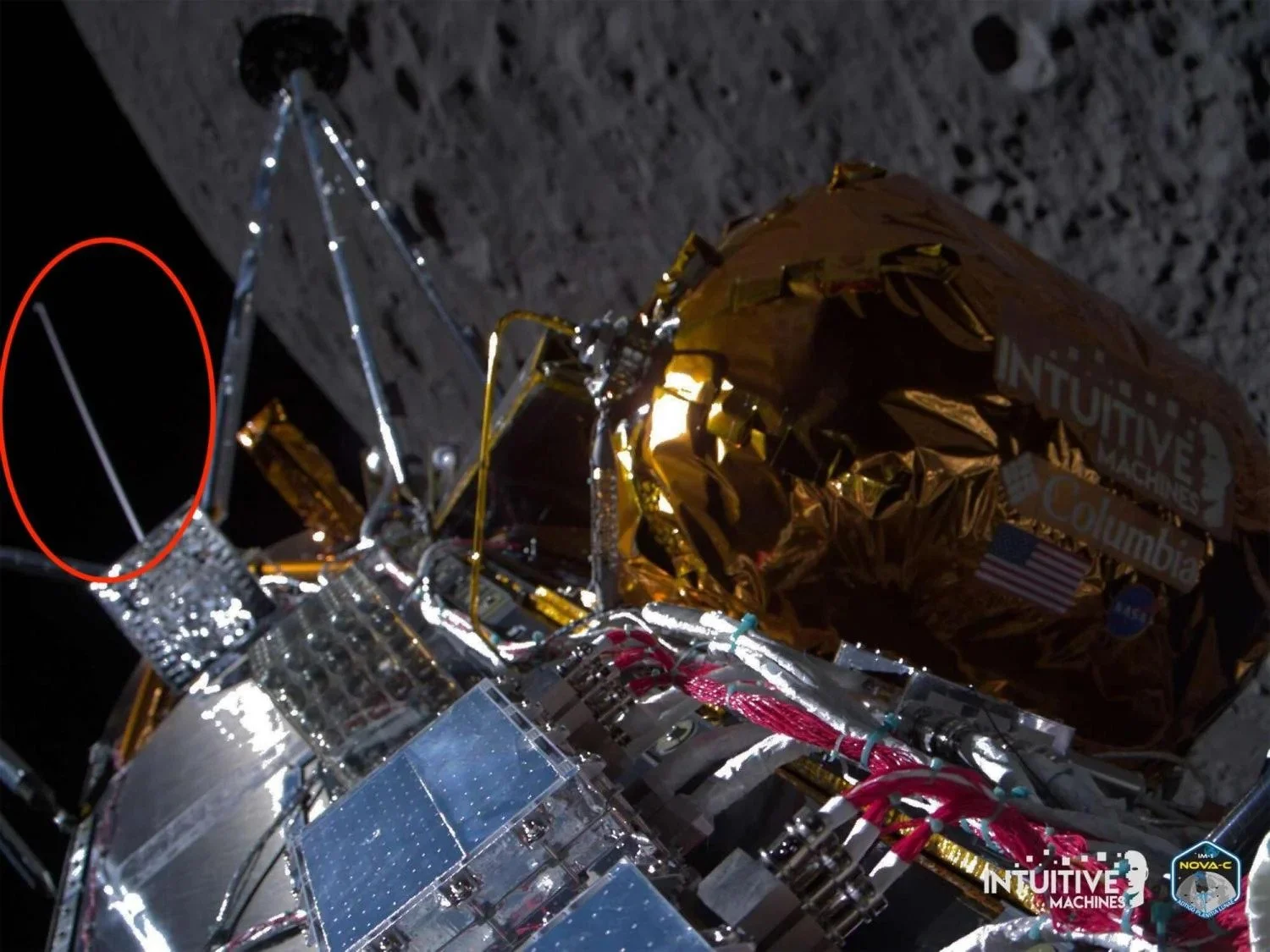
ROLSES 1: Radiowave Observations at the Lunar Surface of the photoElectron Sheath | 2024 Landing | Exoplanet Science Advisor

LuSEE-Night: Lunar Surface Electromagnetics Experiment-Night | 2027 Launch | Exoplanet Science Advisor
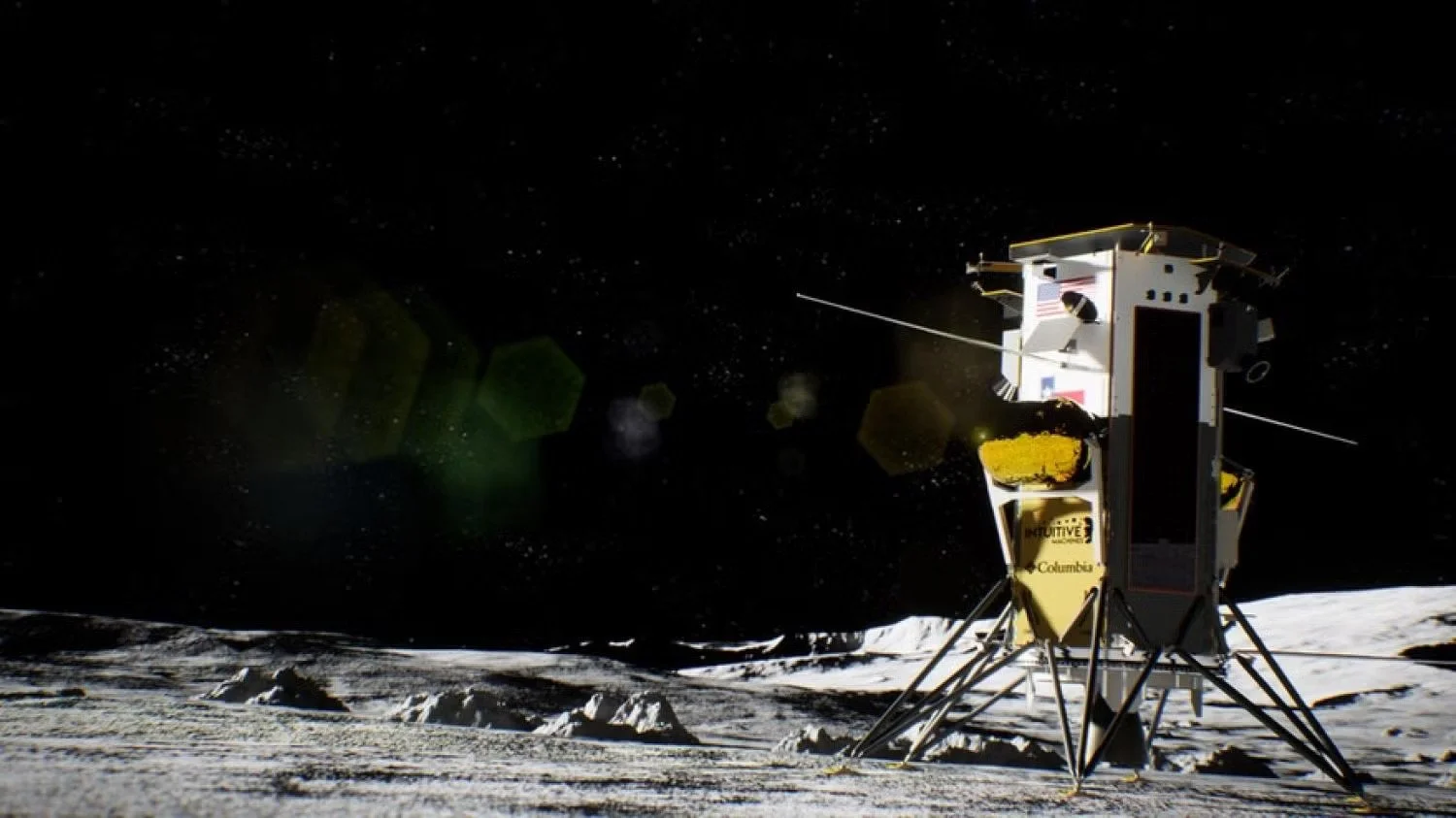
ROLSES 2: Radiowave Observations at the Lunar Surface of the photoElectron Sheath | 2028 Launch | Exoplanet Science Advisor
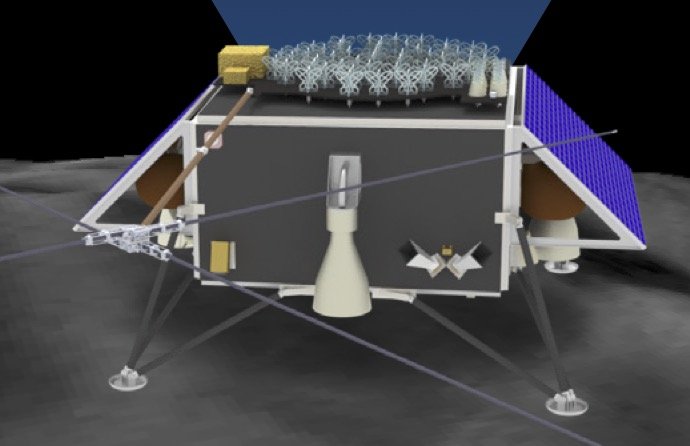
LFT3: Lunar Farside Technosignature & Transients Telescope | In Development - 2030 | Team Member
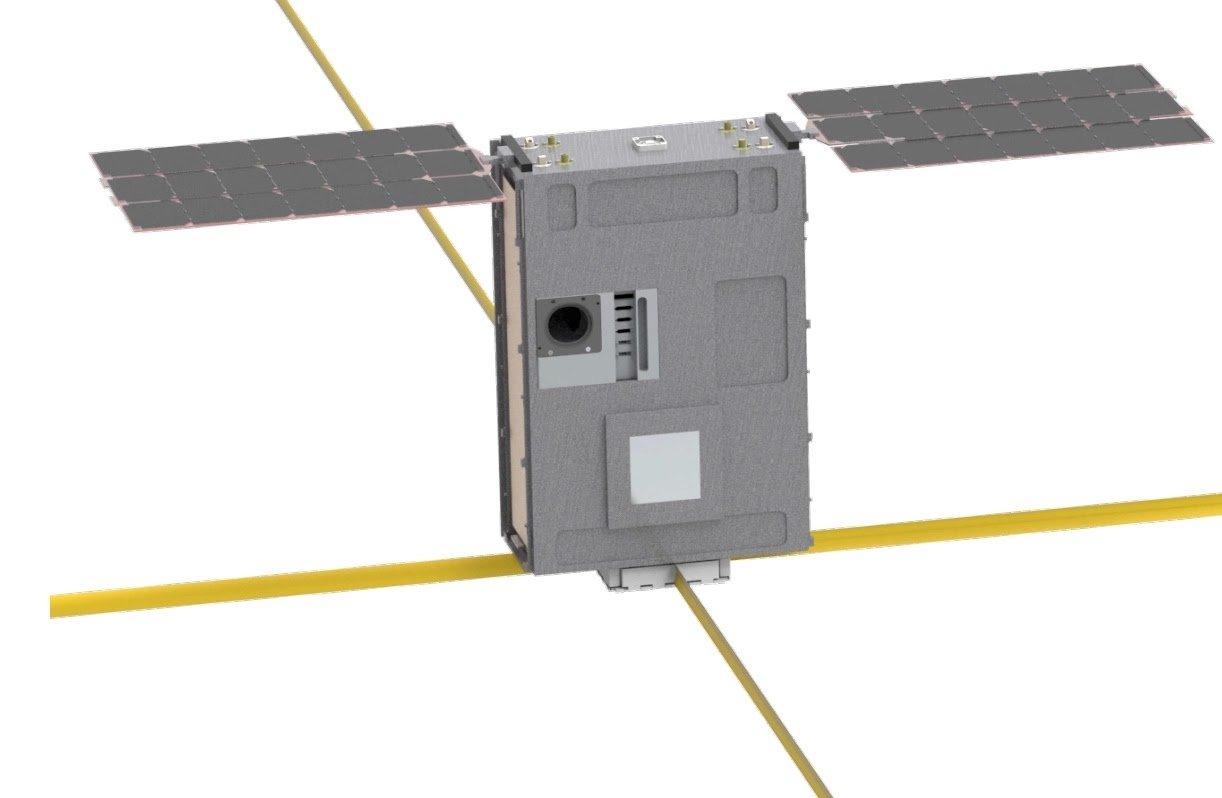
HADES: A SmallSat Mission to Characterize Radio Foregrounds in the Lunar Environment | Under Development - Early 2030s | Team member
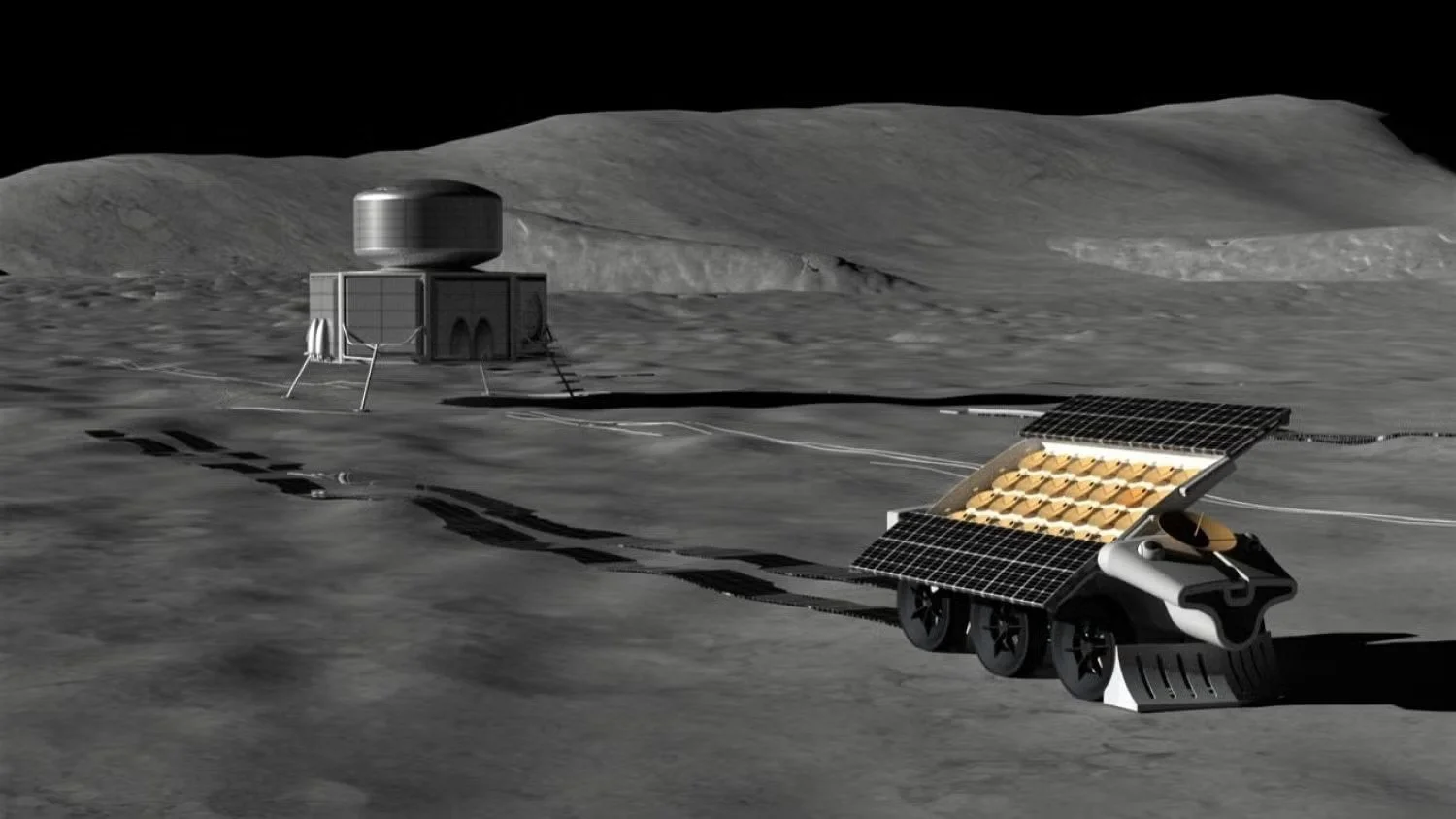
FarView A Lunar Far Side Radio Observatory | Under Development.- Mid 2030s | Exoplanet Science Advisor
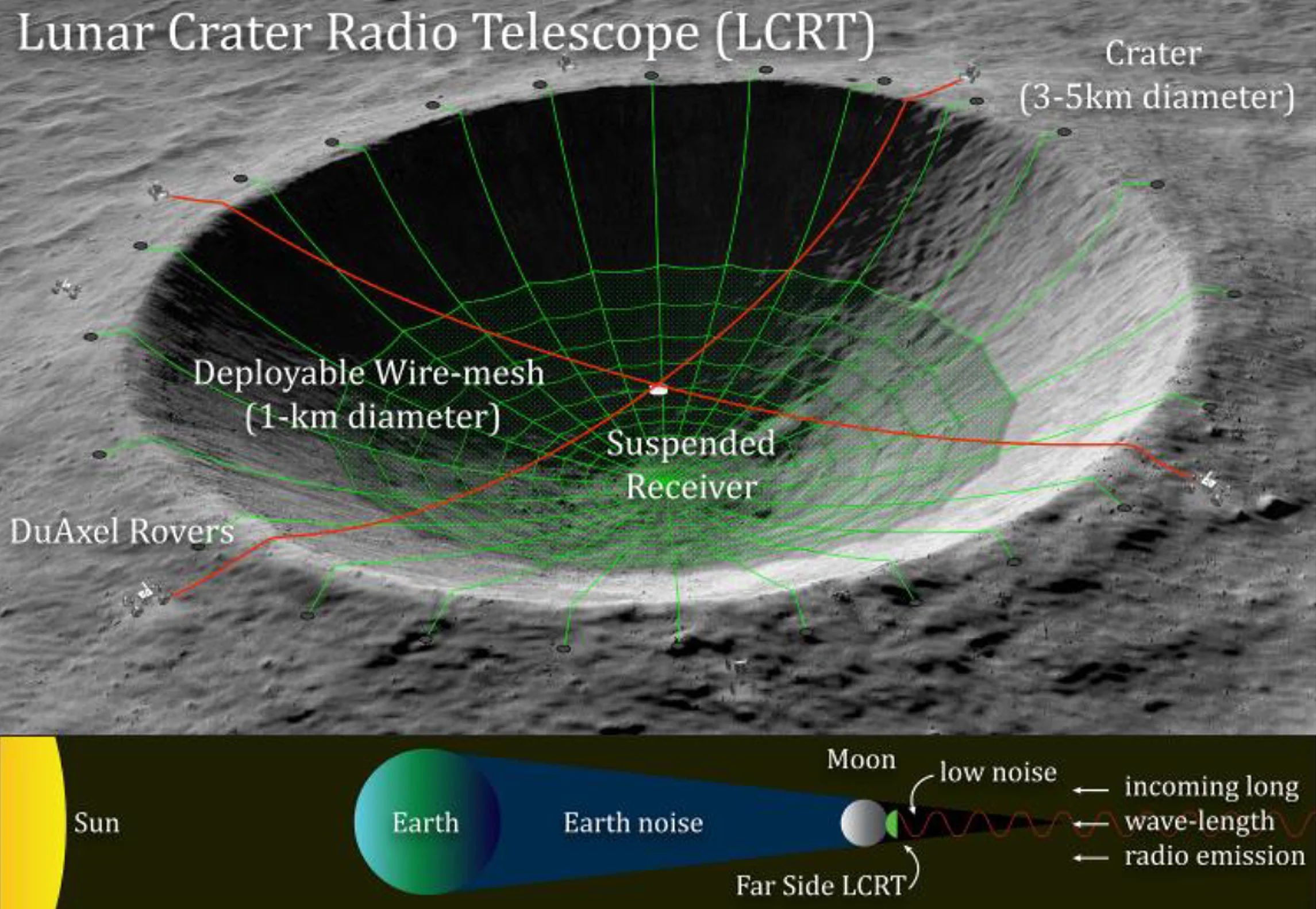
LCRT: Lunar Crater Radio Telescope | Under Development - Mid 2030s | Exoplanet Science Advisor
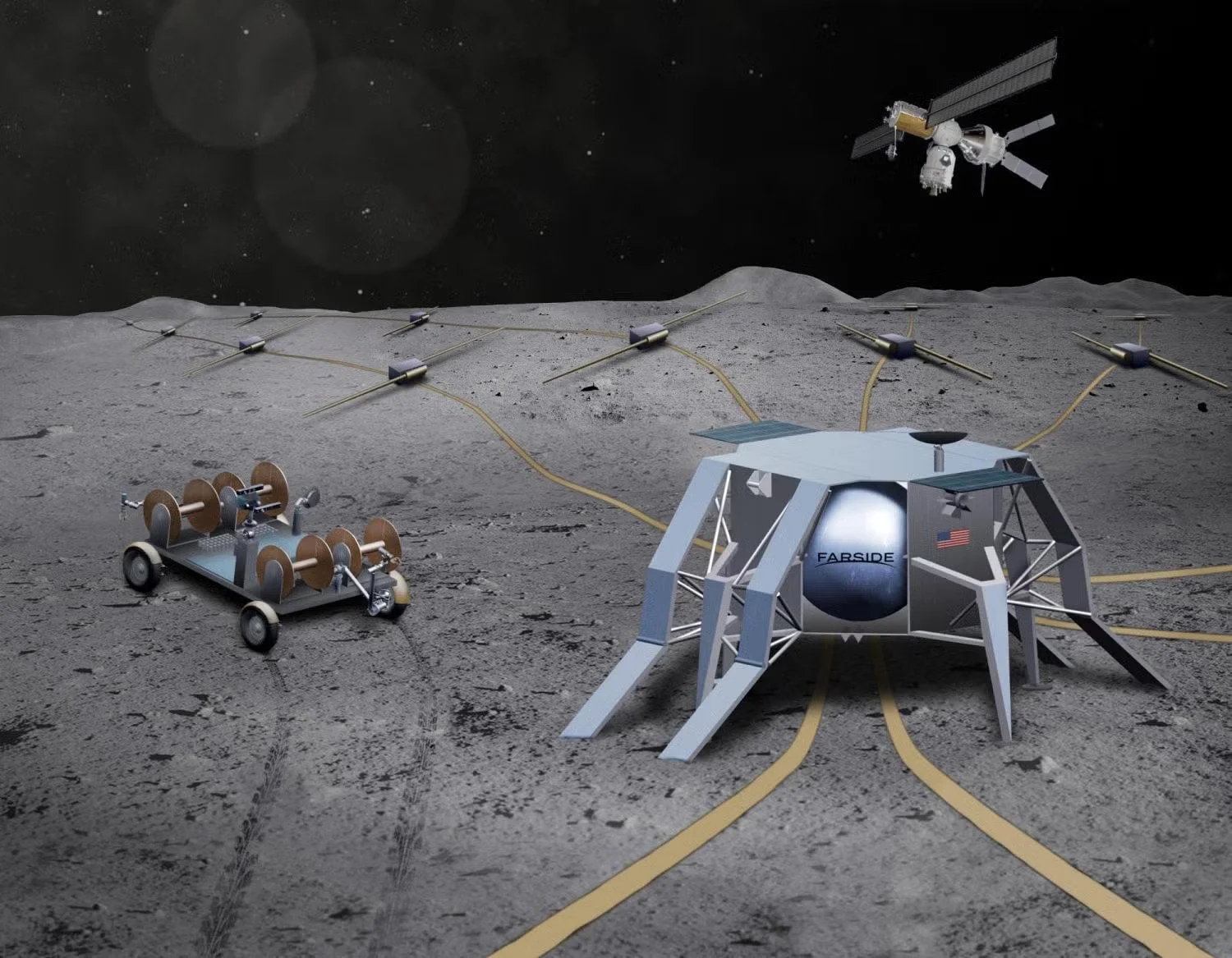
FARSIDE: Farside Array for Radio Science Investigations of the Dark ages and Exoplanets | Under Development - Late 2030s | Team Member
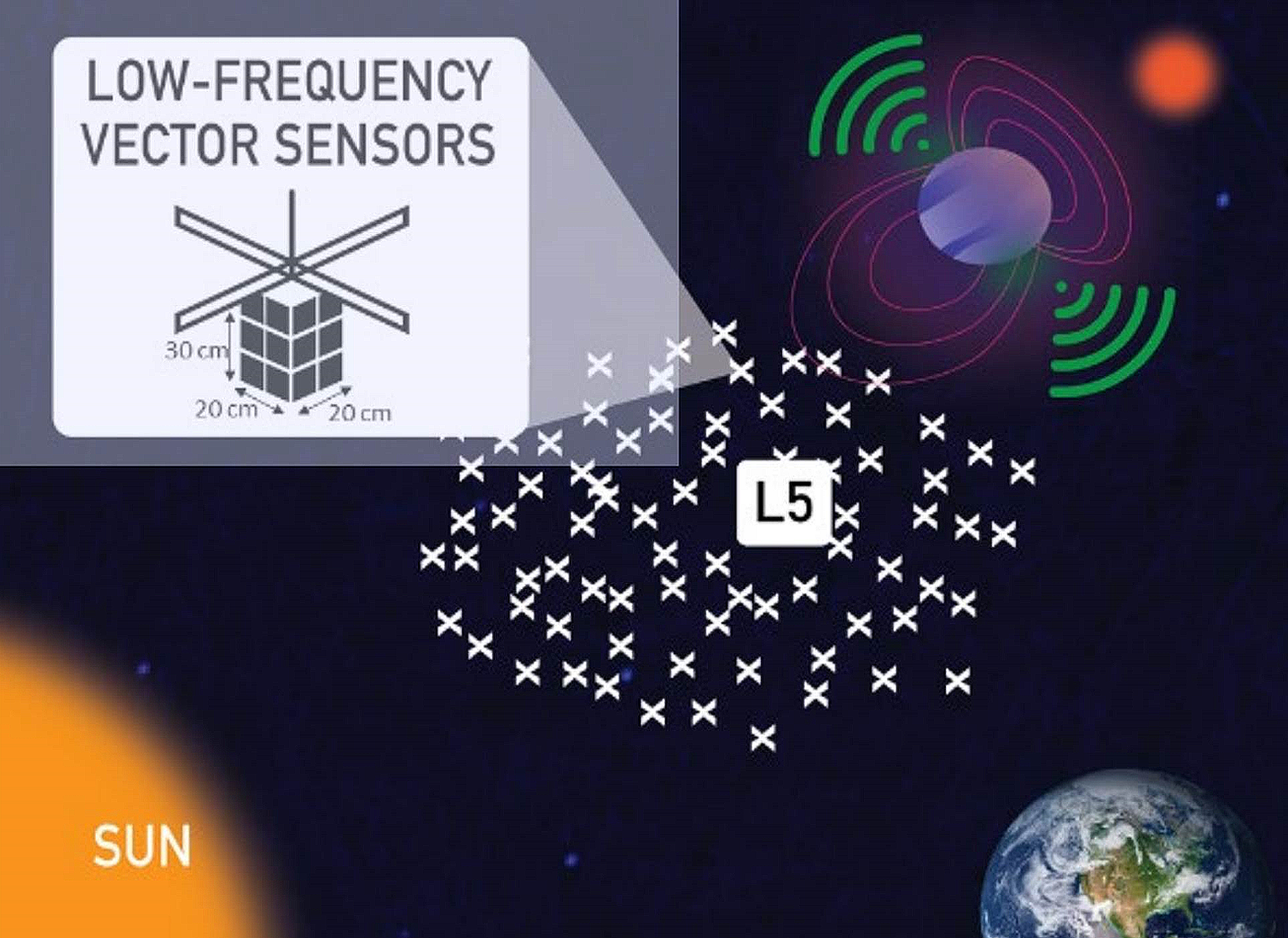
Go-LOW: Great Observatory for Long Wavelengths | Under Development - Late 2030s | Team Member
Bow Shocks
I was the PI of an extensive effort to find near-UV light curve asymmetries caused by absorption by a magnetic bow shock. In total, we published four papers (Turner et al. 2013, 2016b, 2017; Pearson et al. 2013) with near-UV data on 20 exoplanets from 156 nights of in-person observing. We used the Kuiper 61” Telescope on Mt. Bigelow, Arizona for this project. None of the light curves exhibited any near-UV asymmetries. Combined with the modeling result, this adds more evidence that bow shocks can not be used to constrain magnetic fields. This project has resulted in the largest collection of near-UV transits from the ground to date, which we can use to constrain the planetary atmospheres (see atmospheres section).

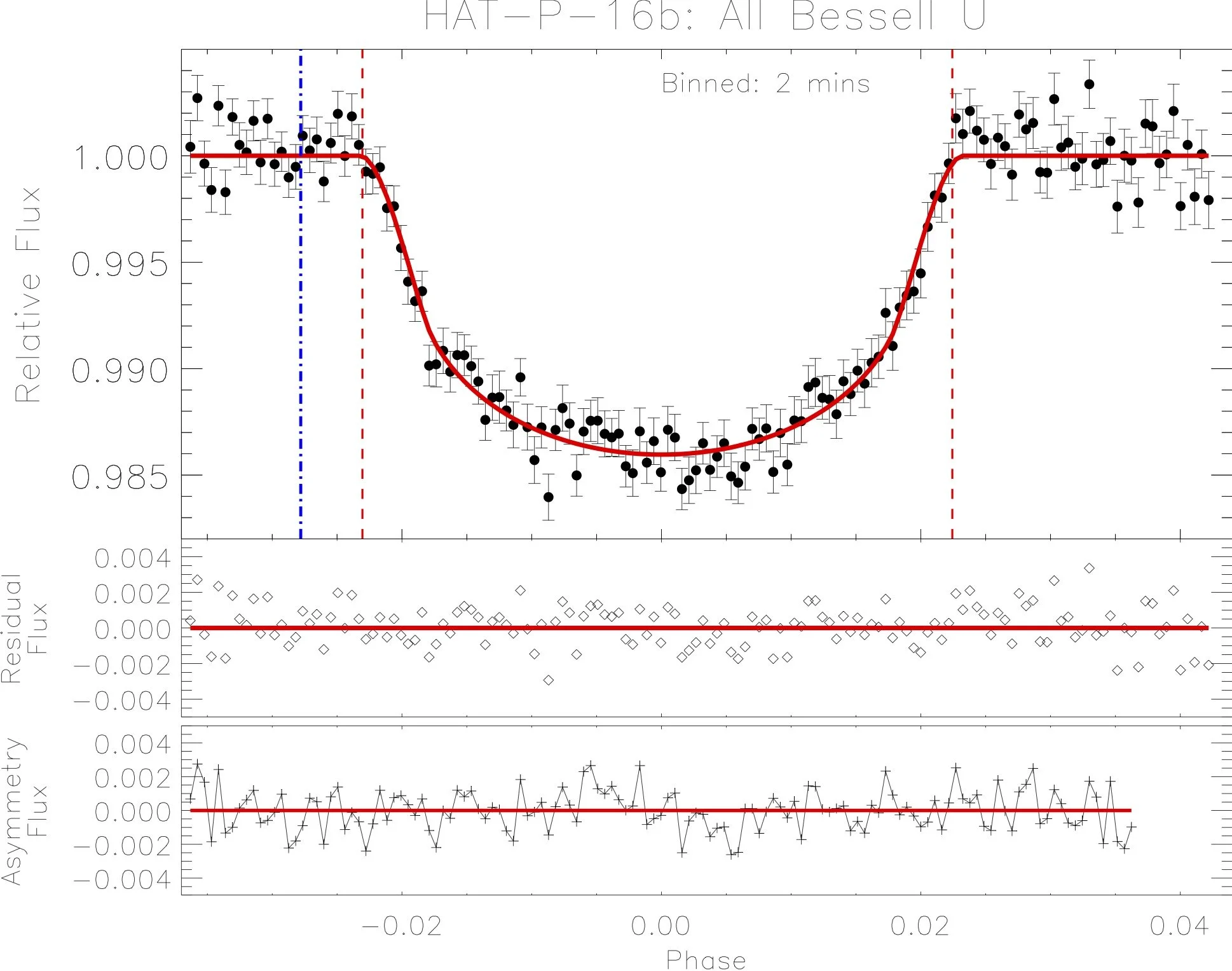
Phased folded near-UV transit of WASP-12b and HAT-P-16b. The dashed–dotted blue line is the minimum timing difference (5 min) between the near-UV and optical ingress found by using a reasonable estimate of planetary magnetic field. The second panel shows the residuals between the model and data. The third panel shows the residuals of the transit subtracted by the mirror image of itself. Figures from Turner et al. 2016b.
For this research, I co-supervised an undergraduate research project through the University of Arizona Astronomy Club (including students receiving research credit). In total, 45 students from a diverse background were involved in observing, analysis, and/or interpretation of the data. See some of the pictures below. This project greatly improved retention in the undergraduate program, and many of the students attributed this project to helping them be prepared for their careers in astronomy.
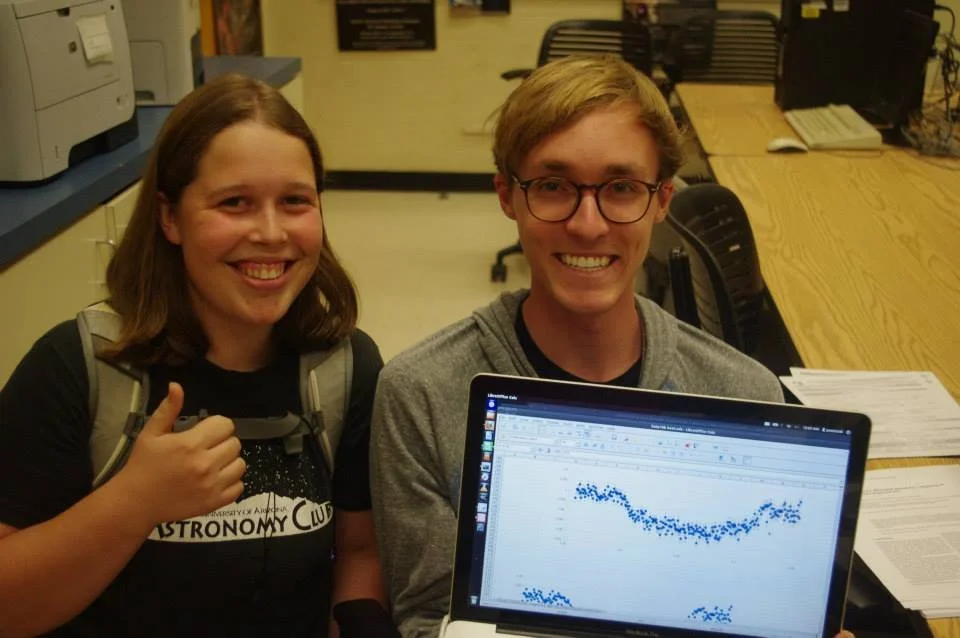
We have a transit!
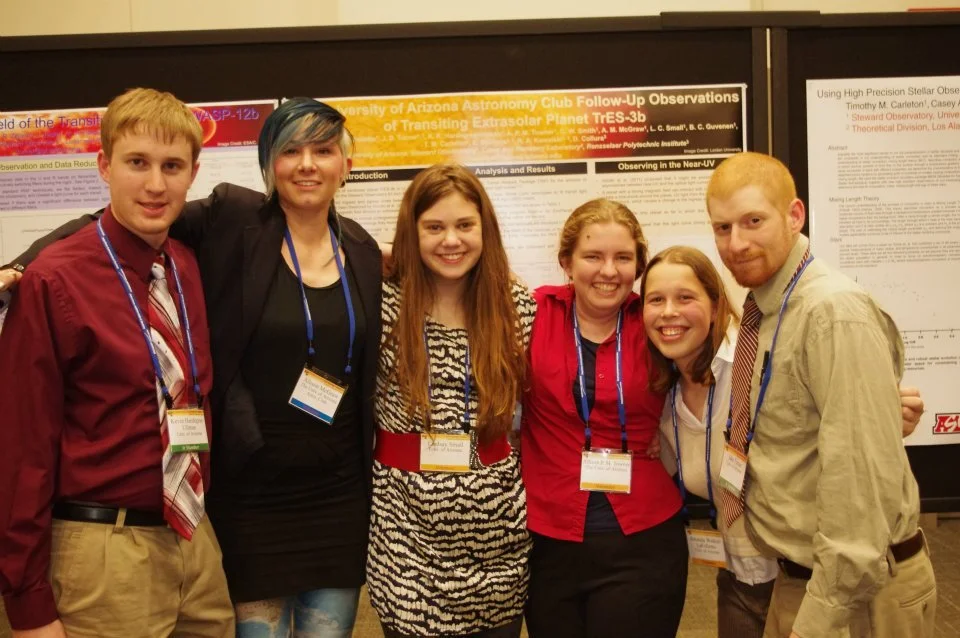
Students presenting at AAS
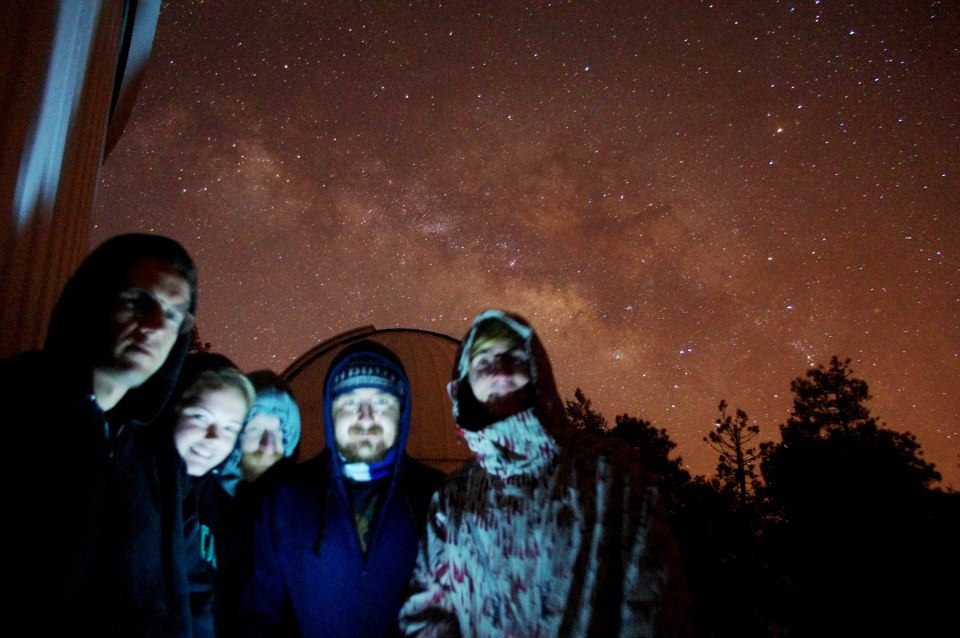
Students observing on the 61" Kuiper Telescope
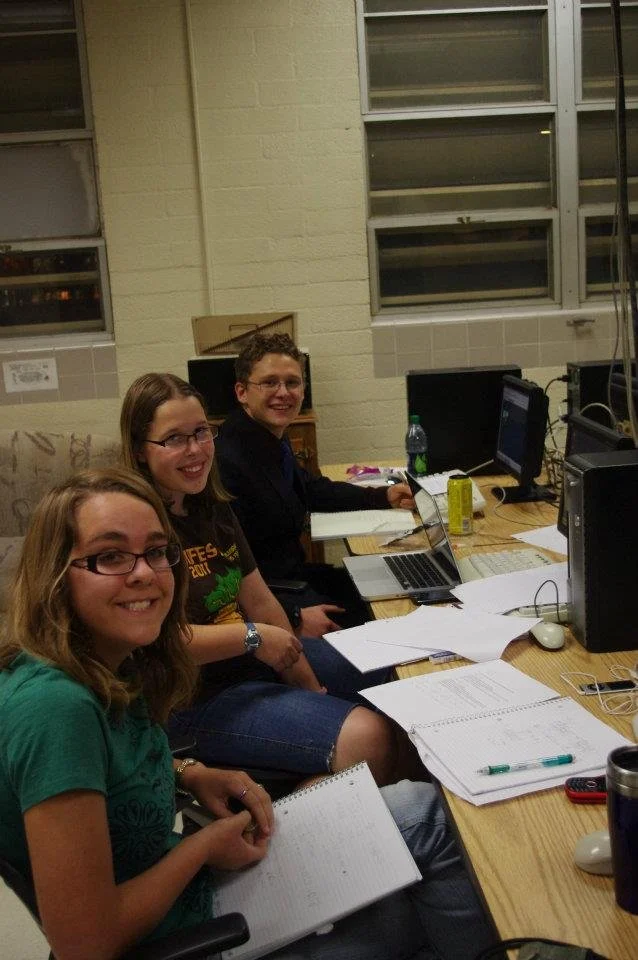
Students working on the data analysis
I used the photoionization code CLOUDY to investigate all opacity sources that could cause light curve asymmetries due to the presence of a bow shock (Turner et al. 2016a). We found that the optical depths in the bow shock are 6 orders of magnitude too small to cause an observable absorption from radio to X-rays and we conclude that previous space-based HST near-UV observations were caused by an escaping planetary atmosphere. Therefore, we conclude that bow shock observations are not a suitable approach for magnetic field detection, consistent with several other studies.
Star-Planet Interactions
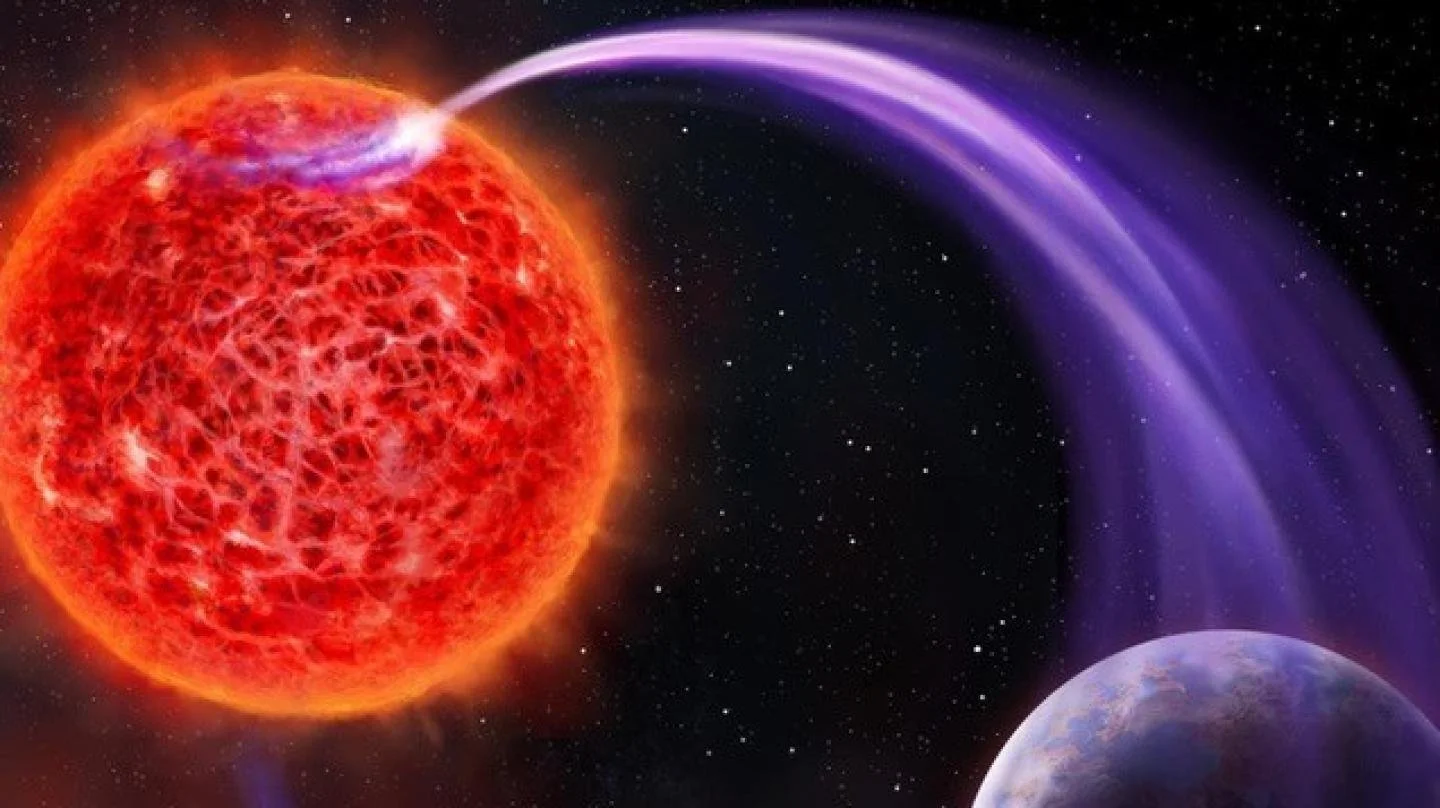
Danielle Futselaar/Artsource.nl Artistic illustration of the magnetic interaction between a red dwarf star such as GJ 687, and its exoplanet.
In this work, my colleague Dr. Cyril Tasse of the Paris Observatory developed the RIMS (Radio Interferometric Multiplexed Spectroscopy) technique, a new method that synthesizes dynamic spectra from interferometric visibilities (Tasse et al. 2026). Our team searched 200,000 dynamic spectra of stars and exoplanetary systems from the LOTSS survey from LOFAR at 150 MHz. We find significant radio variability in 25 targets, which consistent of twenty-one chromospherically active stars or M-dwarfs, two pulsars, and two exoplanetary systems (GJ 687, EQ Peg). The GJ 687 detection is consistent with star-planet interactions, similar to what is seen between Jupiter-Io (see below). Our modeling shows that these radio bursts allow us to place limits on the magnetic field of the Neptune-sized planet GJ 687 b. This can open up a new way to indirectly study exoplanet magnetic fields. Follow-up observations are needed to confirm this result.
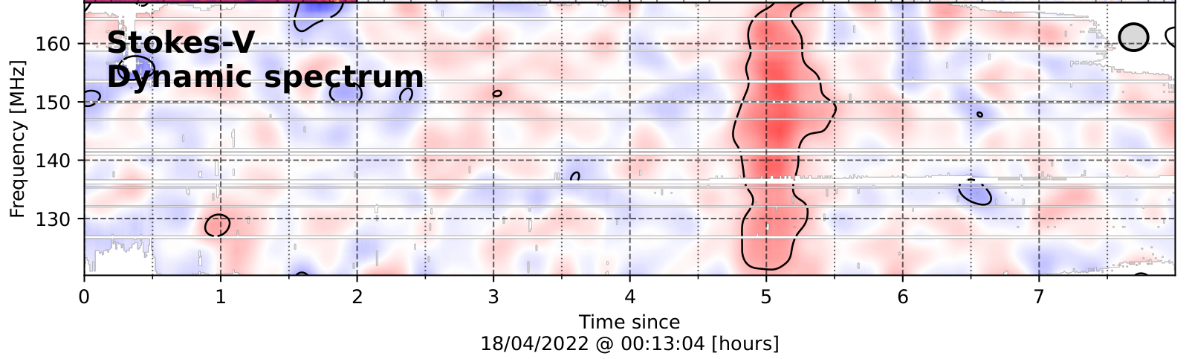
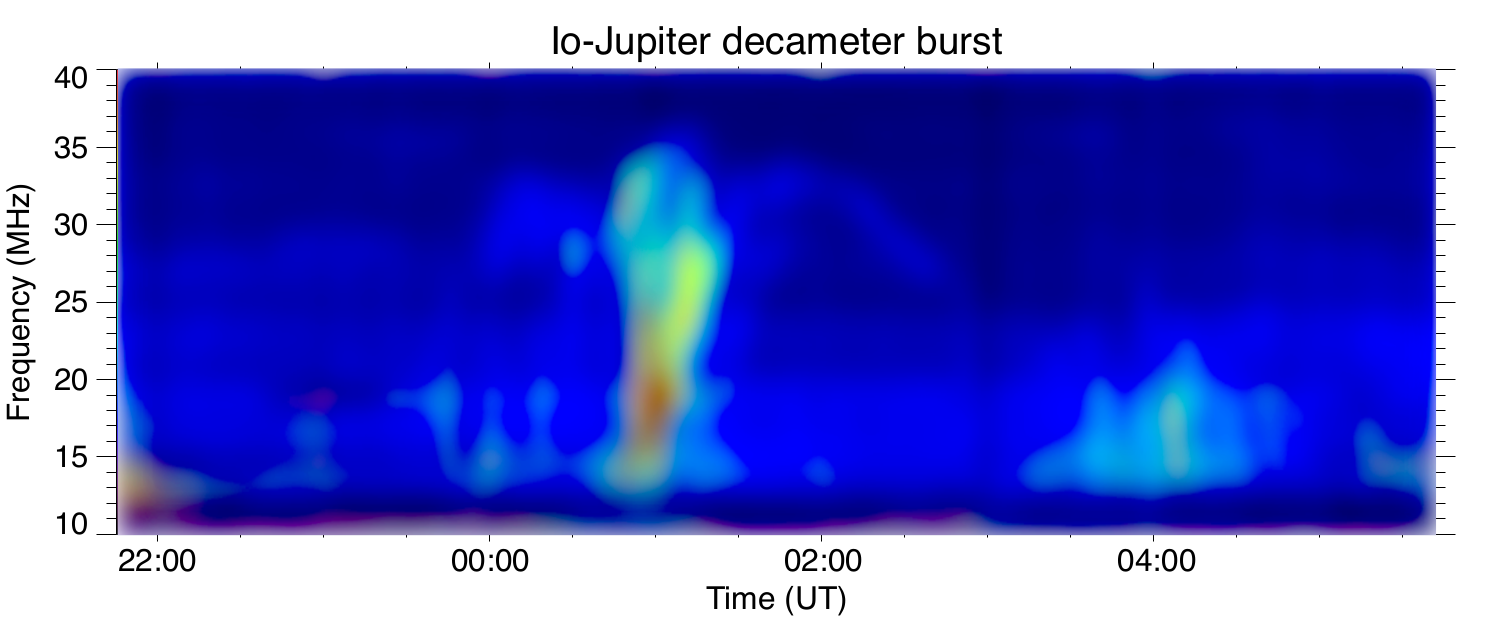
Comparison between radio emissions from the star GJ 687, which hosts an exoplanet (shown in red in the top figure), and similar radio emissions observed on Jupiter (bottom figure). The lower panel shows a typical radio emission from the Jupiter-Io system observed at Nançay with a temporal and frequency resolution comparable to that of the GJ 687 observation. Figures from Tasse et al. 2026.
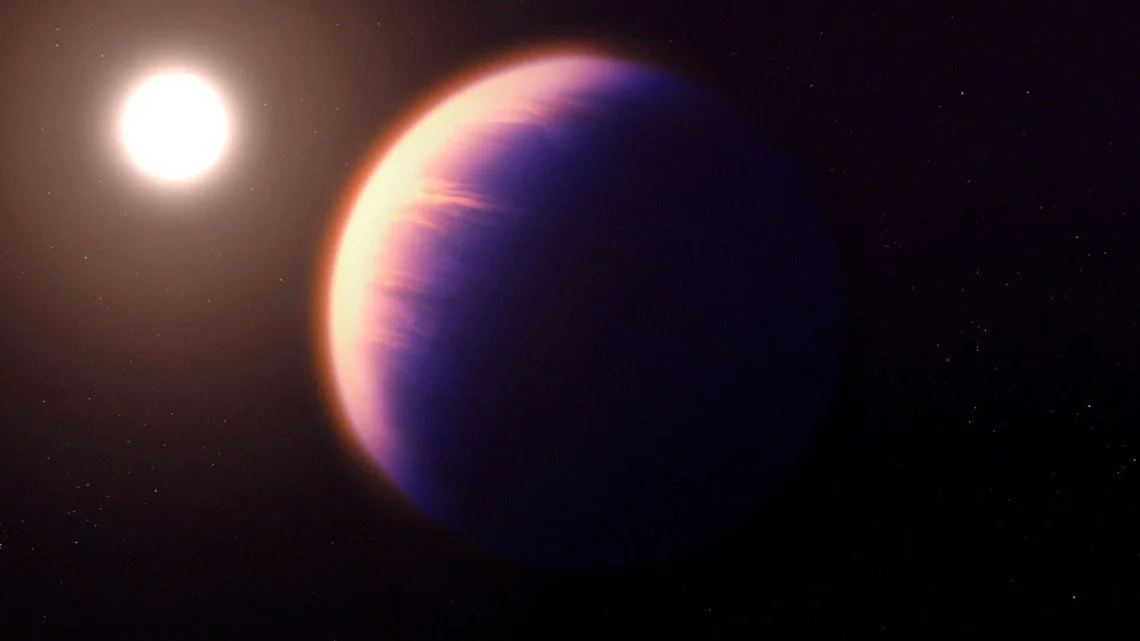
Evidence of carbon dioxide was found by the new James Webb Space Telescope on exoplanet WASP-39b, which is shown in this artistic rendering. Image Credit: NASA
Researchers have discovered a molecule that could determine the temperature and other characteristics in exoplanets. Image Credit: Jake D. Turner
Exoplanet Atmospheres
Spectro-photometry
I led an international team that observed transiting exoplanets with optical and near-UV broadband photometry to constrain their atmospheres. In total, four papers (Teske et al. 2013, Zellem et al. 2015,Turner et al. 2016, Turner et al. 2017) were published on 25 hot Jupiters, 1 hot Neptune, and 1 super-Earth. Highlights include:
For the hot Jupiters WASP-103b and XO-3b, we find a possible variation in the transit depths which may be evidence of scattering in their atmospheres (Turner et al. 2017).
Our observations of the super-Earth GJ 1214b are consistent with a low-scale-height, high-molecular-weight atmosphere (Teske et al. 2013). This suggestion has been confirmed with JWST observations.
First detection of a smaller near-UV transit depth than that measured in the optical in WASP-1b (Turner et al. 2016b), suggestive of TiO in its atmosphere. If confirmed, this would be the coolest planet with this molecule, thus making it an excellent probe of the atmospheric physics.
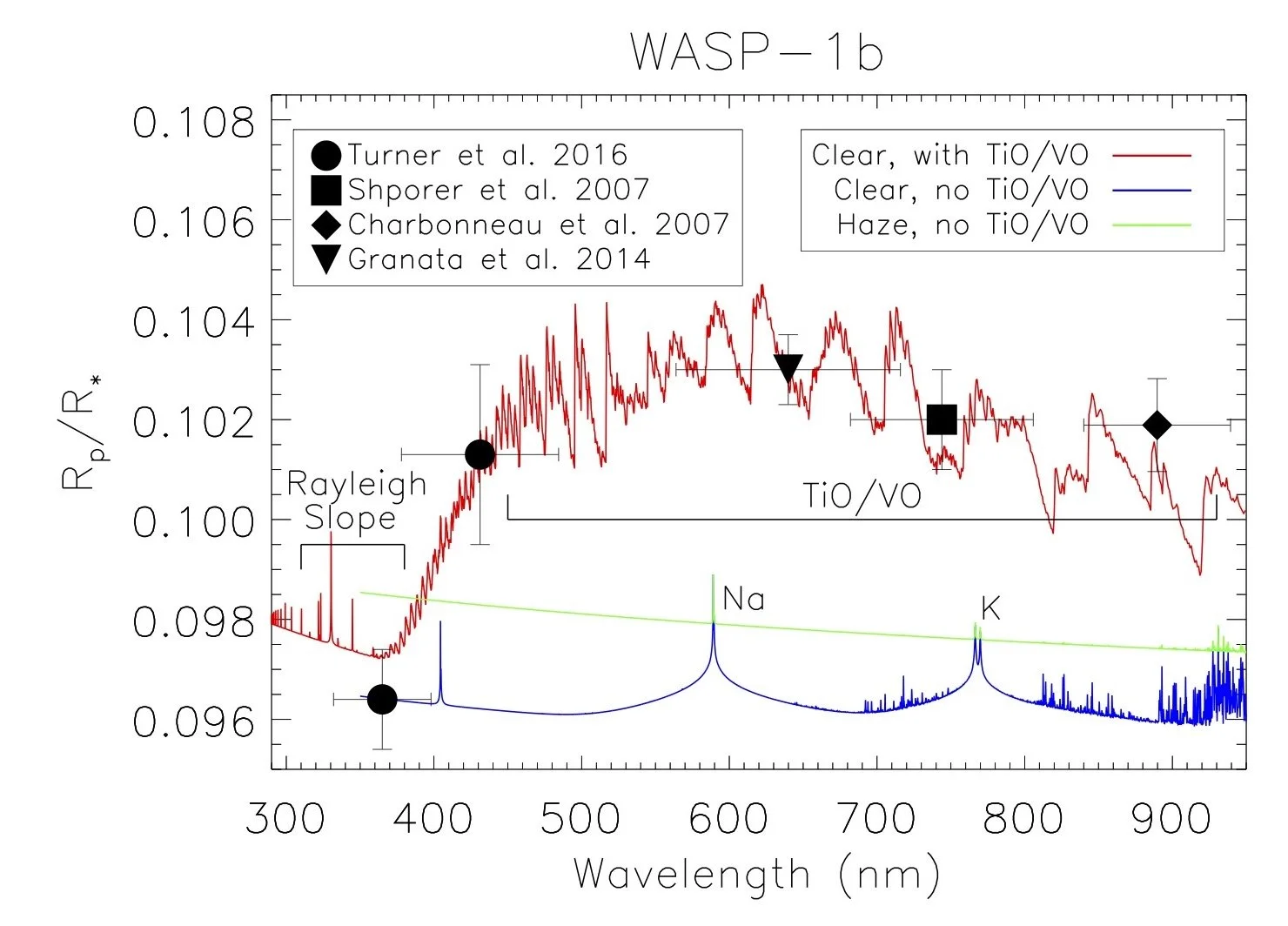
Transit depth variation vs wavelength for WASP-1b. The smaller near-UV transit indicates TiO in its atmosphere. Figure from Turner et al. 2016b.
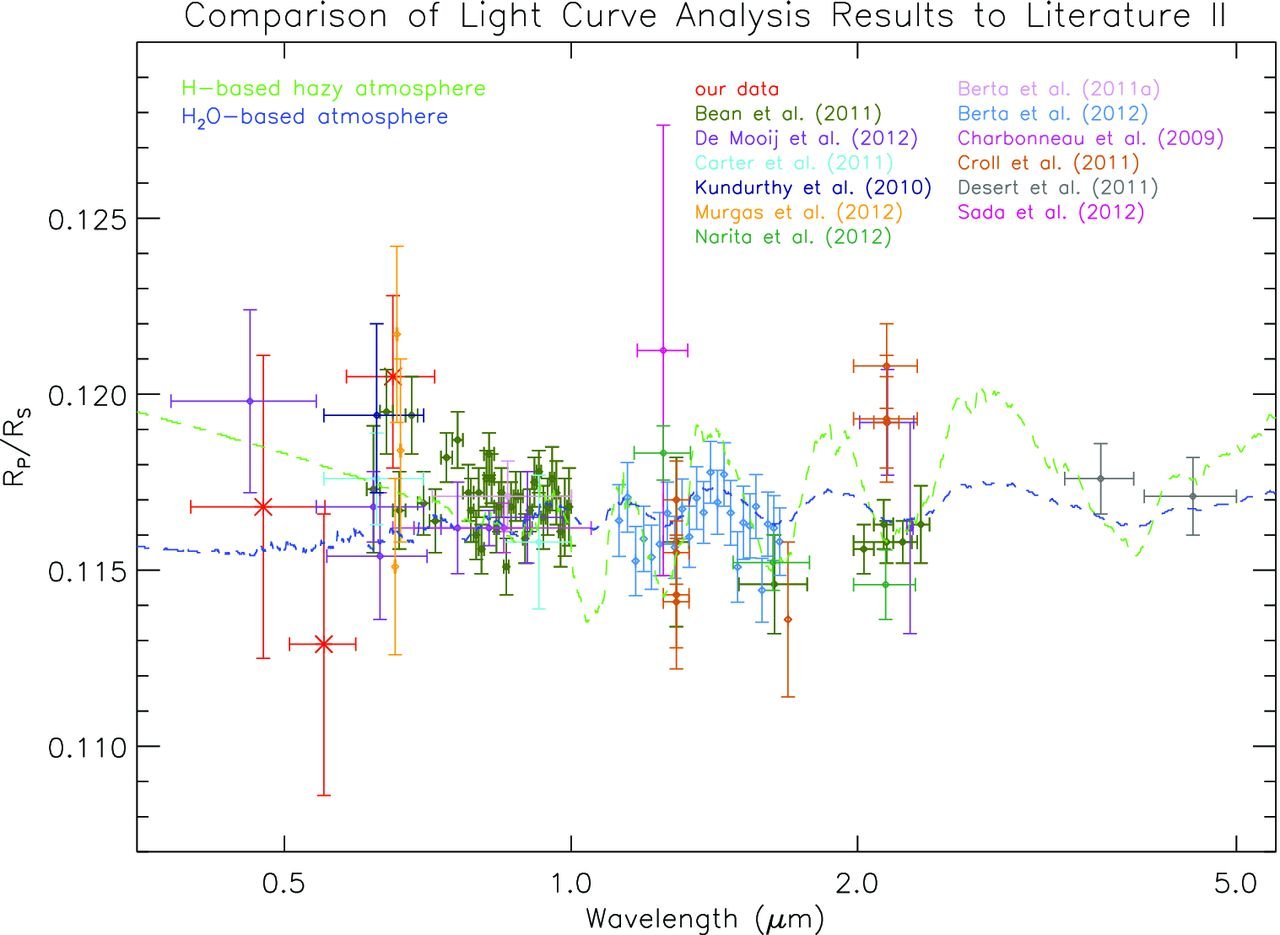
The results of our observations, as compared to other published transit measurements of GJ 1214b. Figure from Teske et al. (2013).
Low-resolution Observations
I am part of the international JWST Transiting Exoplanet Community Early Release Science Program (ERS) and the NEAT (NIRISS Exploration of the. Atmospheric diversity of Transiting exoplanets) teams.
First exoplanet science with JWST!
For the ERS team, we observed the transit of the hot Jupiter exoplanet WASP-39b with JWST. Our papers reported the first detection of carbon dioxide (CO2) and first evidence of photochemistry (via the detection of sulphur dioxide, SO2) in an exoplanet atmosphere and showcased the amazing quality of the JWST data (JWST Transiting Exoplanet Community ERS et al. 2023, Rustamkulov et al. 2023, May et al. 2024).
An international team of astronomers have just announced the first detection of sulfur dioxide in an exoplanet atmosphere. This video provides the inside story behind the first results from the JWST Transiting Exoplanet Community Early Release Science Program, highlighting several early career astronomers who made this possible. Video Credit: Dr. Ryan MacDonald/JWST Exoplanet Science
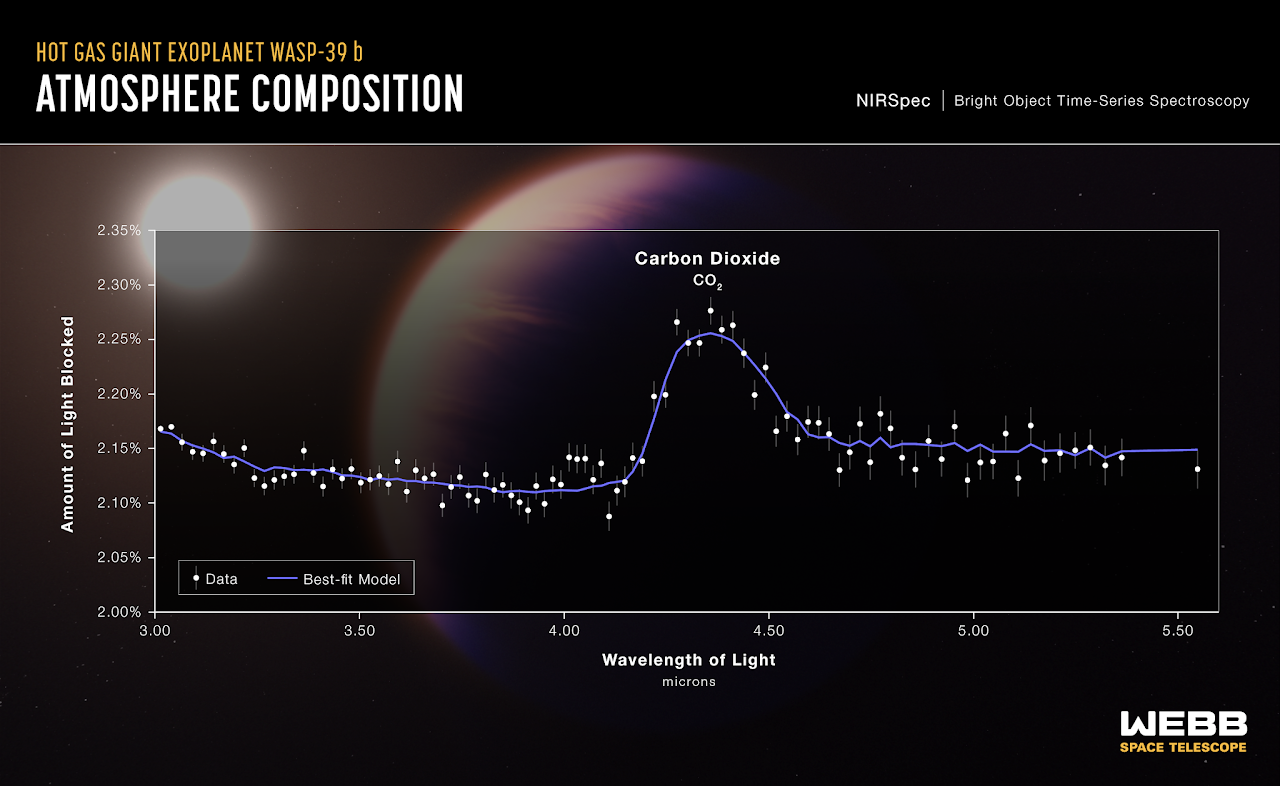
A transmission spectrum of the hot gas giant exoplanet WASP-39 b captured by Webb’s Near-Infrared Spectrograph (NIRSpec) on July 10, 2022, reveals the first clear evidence for carbon dioxide in a planet outside the solar system. Image Credit: NASA press release.
For the ERS team, we also observed the secondary eclipse of the ultra-hot Jupiter WASP-18b with JWST and generated the first 3D map of a planet orbiting another star (Challener et al. 2025).
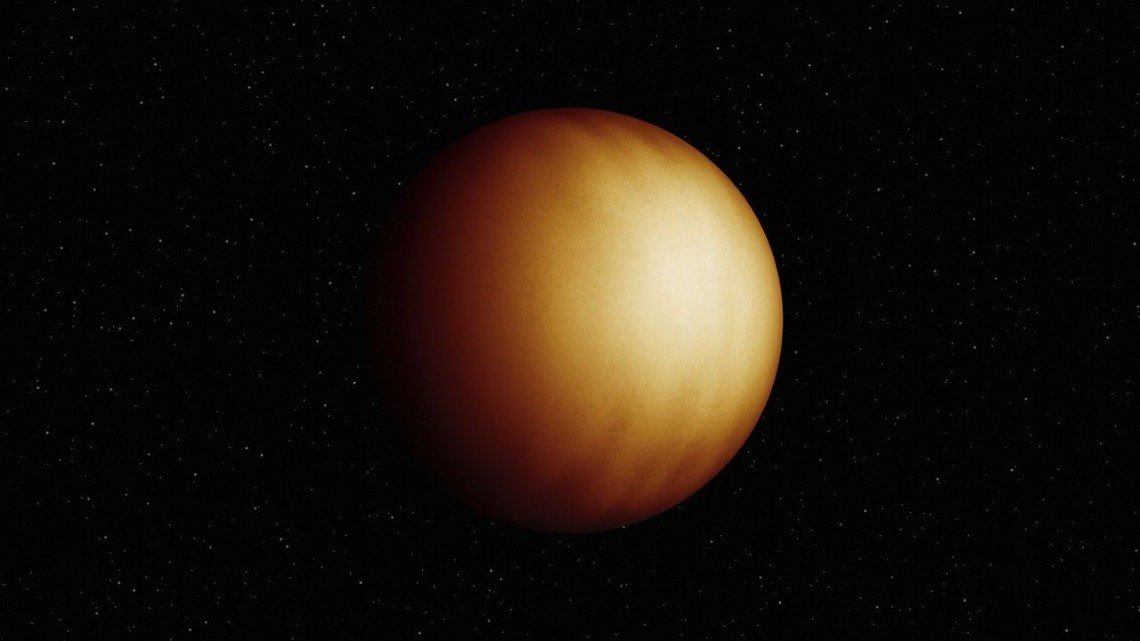
Artist rendition of the 3D map of the ultra-hot Jupiter WASP-18b. Image Credit: NASA/JPL-Caltech
For the NEAT team, we have surveyed ultra-hot Jupiters (WASP-121 b: Splinter et al. 2025, Allart et al. 2025), hot Jupiters (WASP-80 b: Morel et al 2025), ultra-hot Neptunes (WASP-107 b: Krishnamurthy et al. 2025; LTT 9779 b: Coulombe et al. 2025), sub-Neptunes (LP 791-18 c: Roy et al. 2025), and temperate rocky planets (TRAPPIST-1 d; Piaulet-Ghorayeb et al. 2025). Currently, I’m co-leading the analysis of secondary eclipse observations of the canonical hot Neptune GJ 3470b. Highlights include:
Detection of the most confident pre-transit helium absorption for any exoplanet on WASP-107b (Krishnamurthy et al. 2025)
For the first time, we monitored a planet's atmospheric escape across an entire orbit, discovering that the gas giant WASP-121 b has two vast helium tails extending more than halfway around its star (Allart et al. 2025)
We rule out an Earth-like atmosphere for nearby exoplanet TRAPPIST-1 d (Piaulet-Ghorayeb et al. 2025)
Dr. Becky discusses our recent JWST result studying the atmosphere of TRAPPIST-1 d (Piaulet-Ghorayeb et al. 2025)
High-resolution Observations
I have been active in many different projects studying exoplanetary atmospheres at high-resolution.
I led an international team were we detected ionized calcium (Ca II) and H-alpha in the atmosphere of KELT-9b (Turner et al. 2020). This planet is the hottest ultra-hot Jupiter known and has a temperature of 4500 K, this is hotter than most stars in the galaxy.
These observations showed for the first time that KELT-9b’s atmosphere was in non-local thermodynamic equilibrium (NLTE) and that the H-alpha was not escaping the planet. Therefore, our observations place important constraints on how exoplanet atmospheres behave at these extreme temperatures.
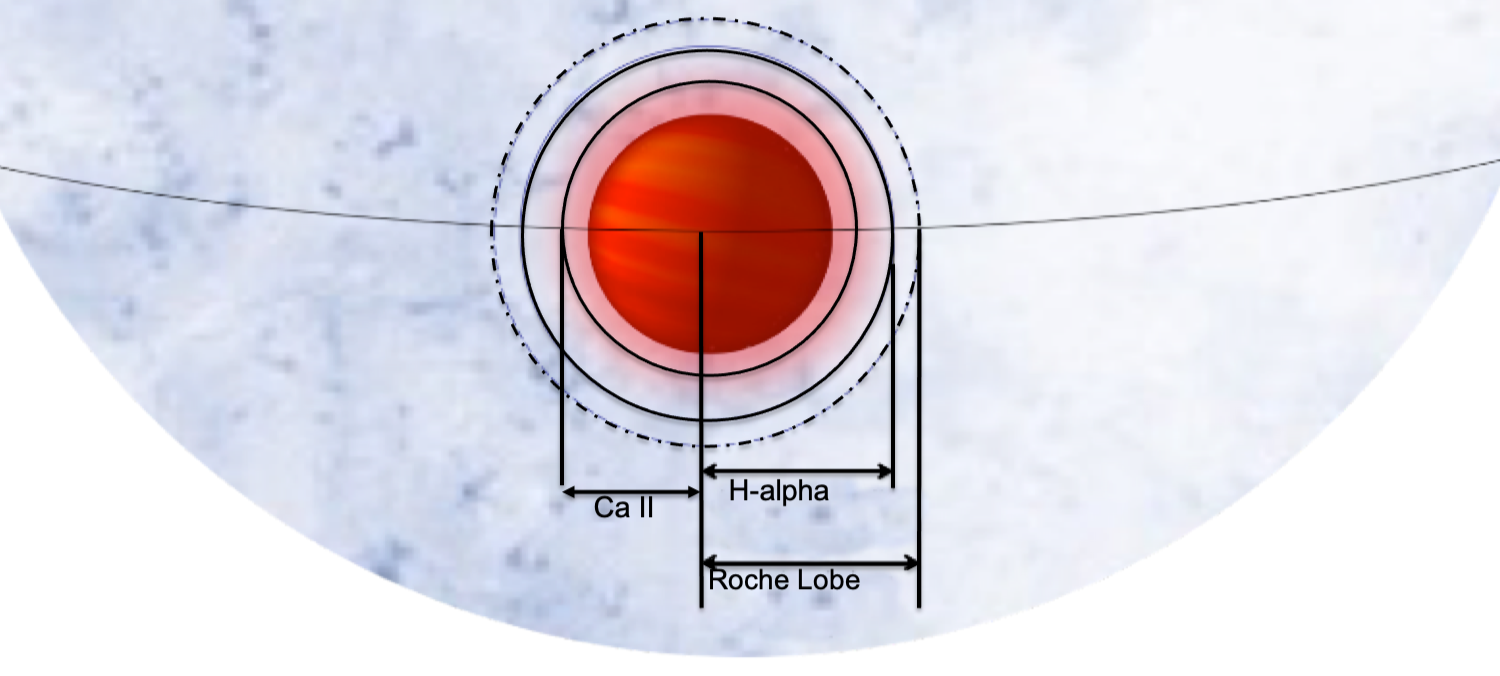
Representation of KELT-9b’s atmosphere and where in the atmosphere the H-alpha and Ca II are located. Image Credit: Jake D. Turner

H-alpha and ionized calcium detections in the atmosphere of KELT-9b Figure from Turner et al. 2020.
I’m the PI of the ExoGemS large (30 planets) high-resolution survey on Gemini-N/S to explore the diversity of planetary atmospheres. To date, we have published four papers (Deibert et al. 2021, 2023, Flagg et al. 2023, Meziani et al. 2025). The main highlight so far:
We detected chromium hydride (CrH), a robust tracer of atmospheric temperature, for the first time in an exoplanet atmosphere (Flagg et al. 2023). A CrH detection may be an indication of the accretion of solids during formation.
For the first time, we analytically modeled the effects of an offset in transit midpoint or eccentricity on interpretation of the resulting atmospheric spectra and wind measurements (Meziani et al. 2025). We show that without taking into this offset, we will infer incorrect atmospheric wind speeds.
We detected Ca II for the first time on the ultra-hot Jupiter WASP-76b (Deibert et al. 2023). This detection that indicates that WASP-76b has very strong upper atmosphere winds or the atmospheric temperature is much higher than expected.
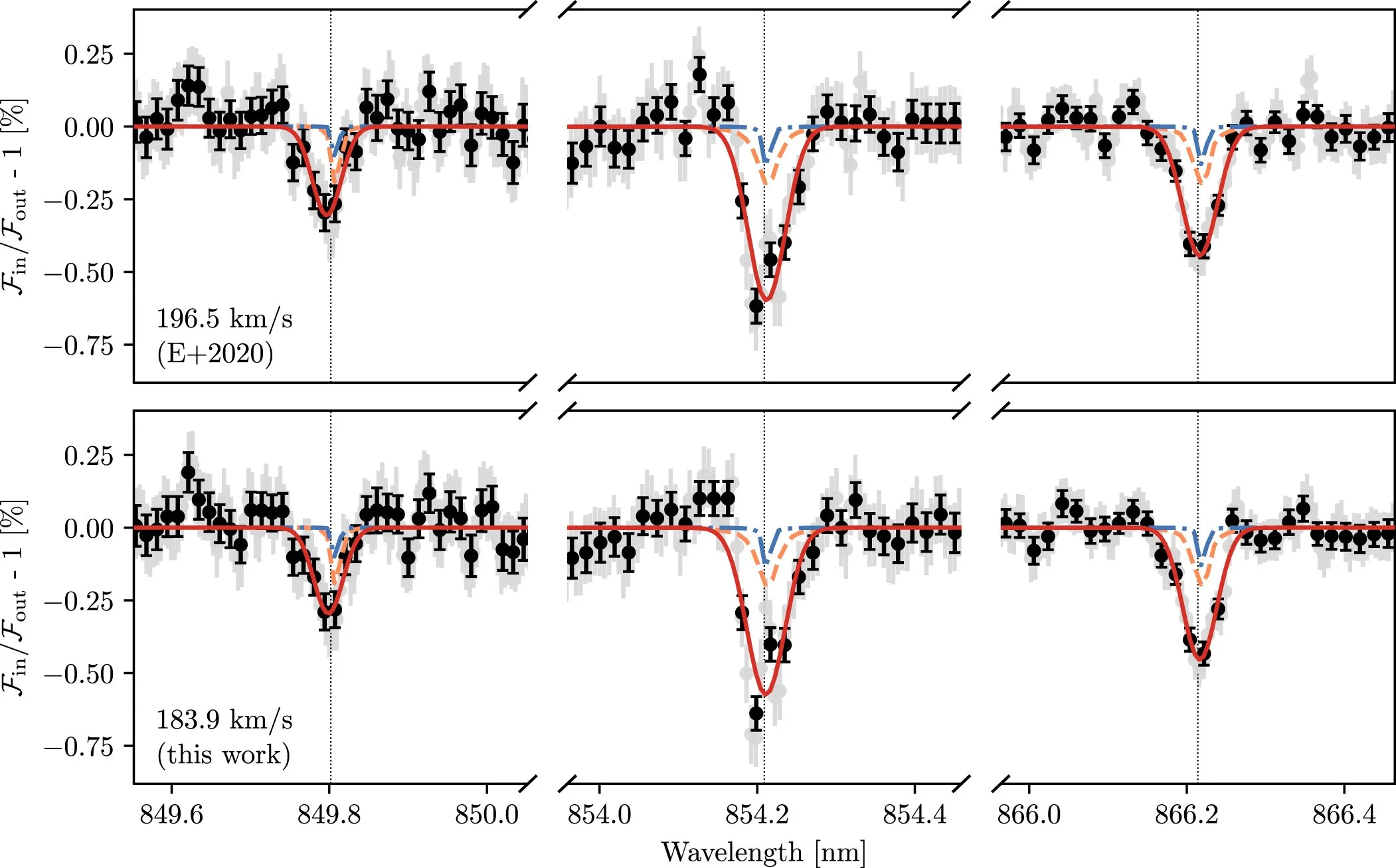
GRACES transmission spectra of WASP-76b around the three lines of the ionized calcium triplet. Figure from Deibert et al. 2023.
I presented the early results of the ExoGemS Survey during a seminar at NOIRLab in Tucson, AZ on Sept. 5, 2022
I have been the co-I on several other high-resoultion projects and the ongoing SPECTRE-GHOST ultra-hot Jupiter large survey with GHOST on Gemini-S. Highlights include:
First observations of the super-Earth exoplanet GJ 486b (T ~ 700 K) in high-resoultion (Ridden-Harper et al. 2023). We did not detect anything but we rule out a clear H2/He-dominated atmosphere or a clear 100% water-vapor atmosphere. We predicted that future JWST observations would be able to constrain its atmosphere, which they have.
First emission (Deibert et al. 2024) and transmission (Langeveld et al. 2025) atmospheric characterization of an exoplanet with the high-resolution mode of GHOST.
Using the HAT-P-70b transmission spectra, we detected Ca II for the first time and found evidence of strong dayside-to-nightside winds with a possible velocity gradient between different altitudes.
Atmospheric Modeling
I simulated escaping planetary gas using the photoionization code CLOUDY and predicted the atmospheric absorption from the X-rays to the radio (Turner et al. 2016a). We found ~60 potentially interesting absorption lines, some of which that were not yet observed in 2016. This was the first time that an escaping atmosphere was modeled in X-rays and the radio. Interestingly, this was the second study (after the seminal work by Sarah Seager) to predict that the helium infrared line would be a great probe of an escaping atmosphere, which is now commonly used in exoplanet studies.
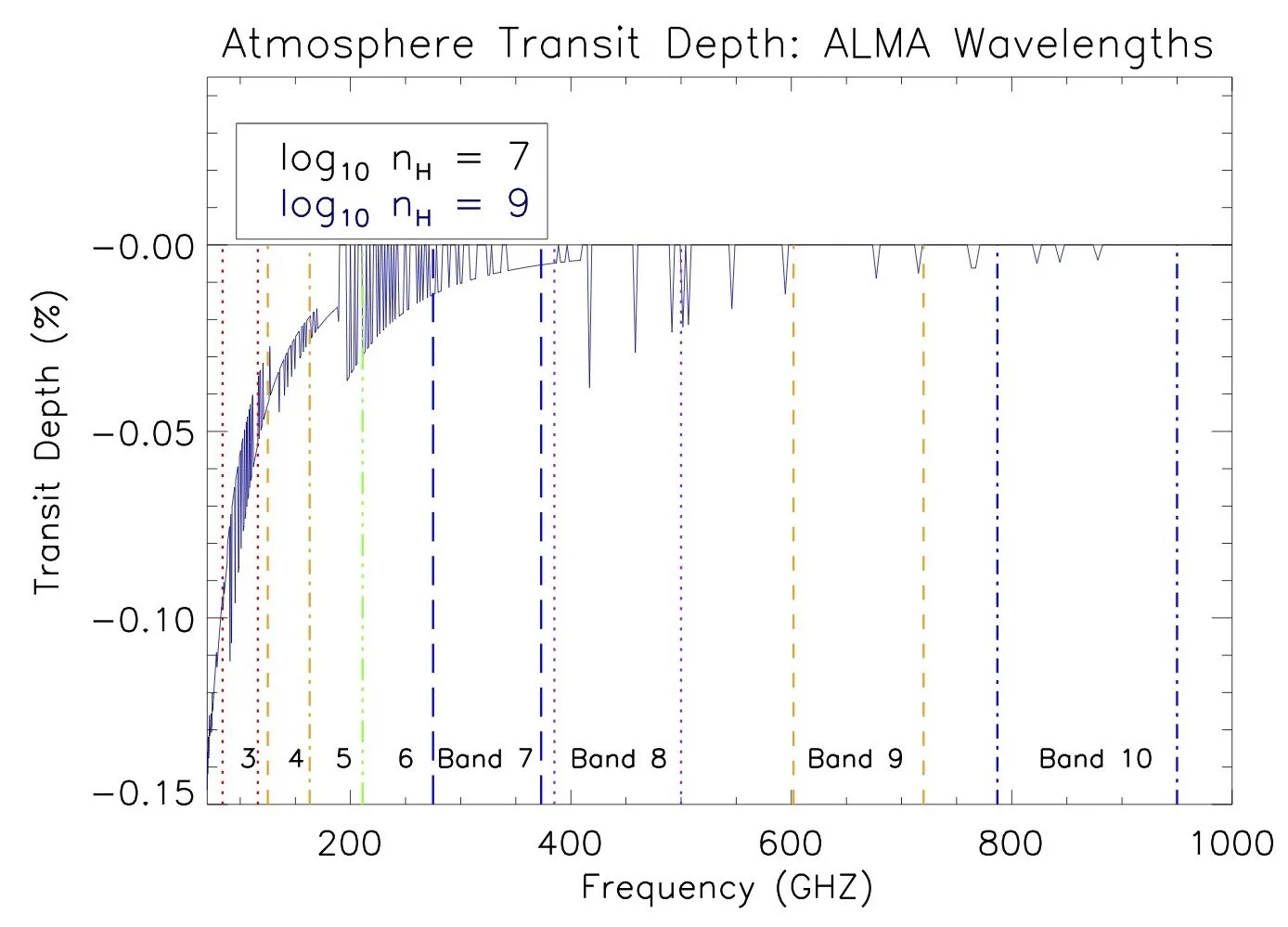
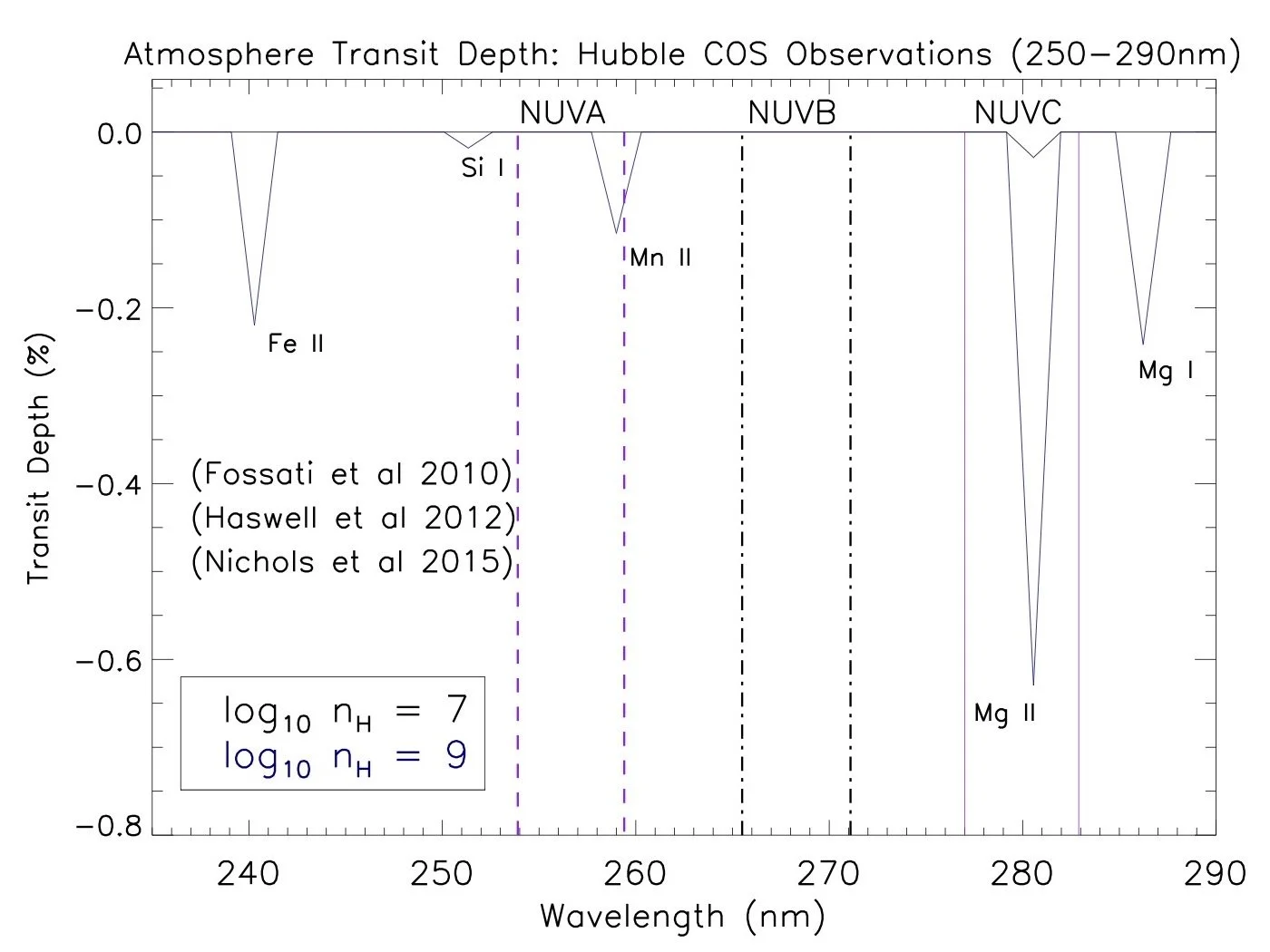
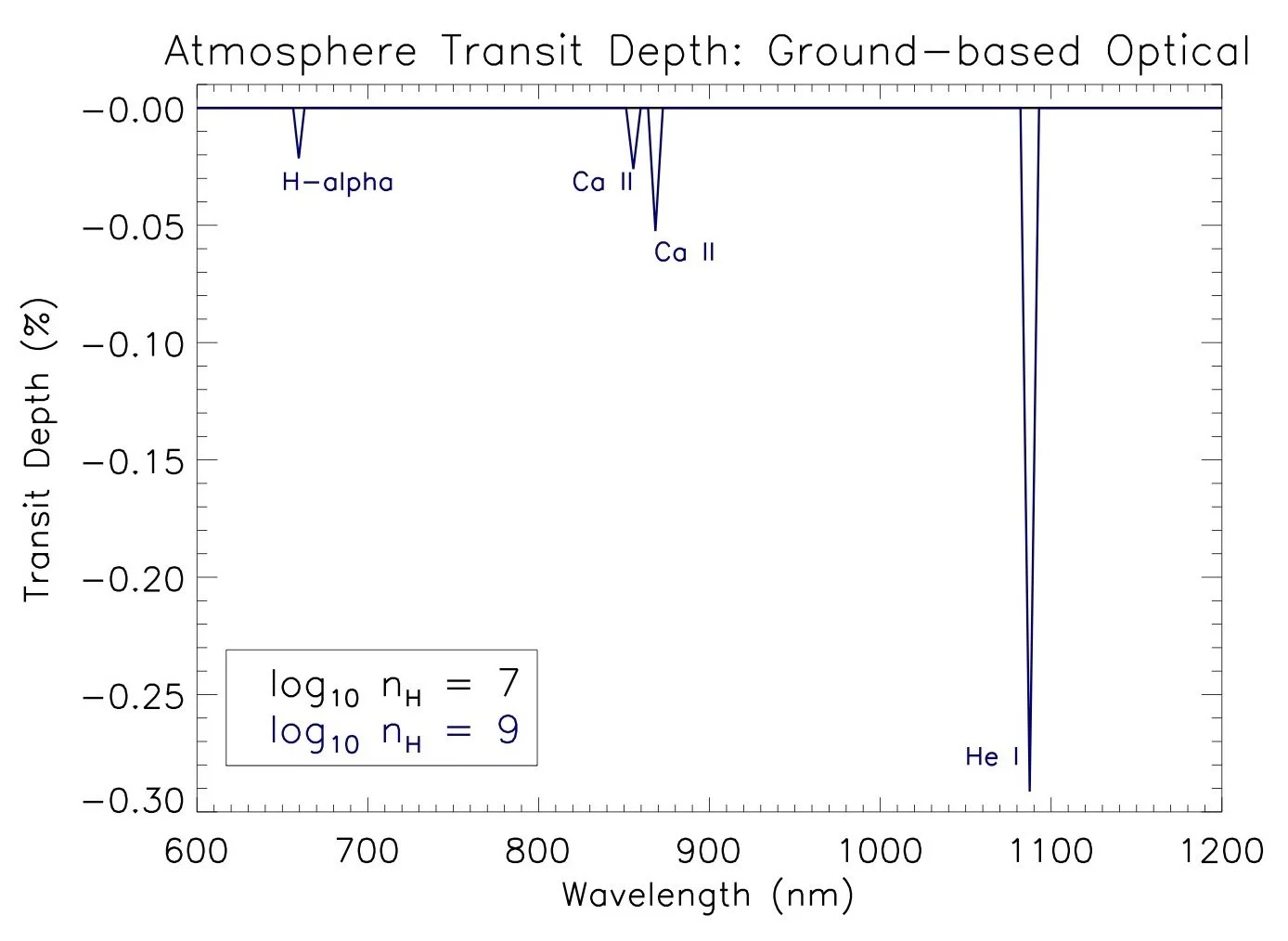
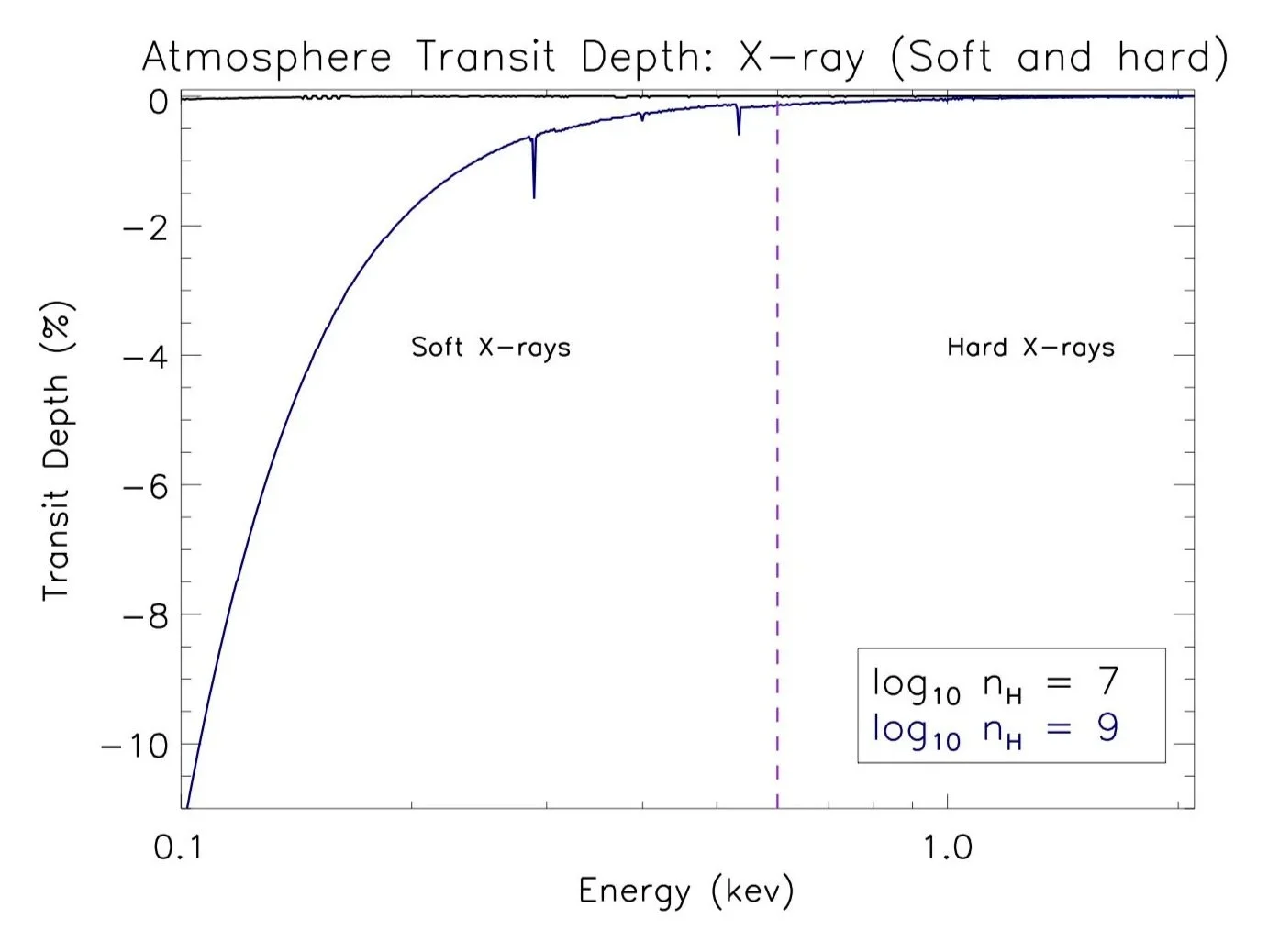
Predictions of possible atmospheric signatures from the X-rays to the radio for the CLOUDY modeling of the escaped planetary gas. Figure from Turner et al. 2016a.

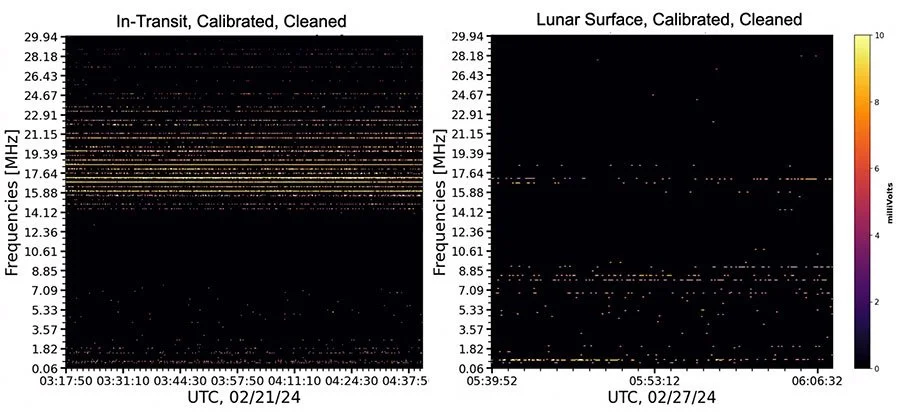
The ROLSES team collected data during the journey to the Moon and upon landing on the lunar surface. Radio interference from Earth (aka terrestrial technosignatures) is seen as the bright horizontal lines. Image Credit: J. Burns / ROLSES
Image Credit: ONDŘEJ HRDINA/CGE
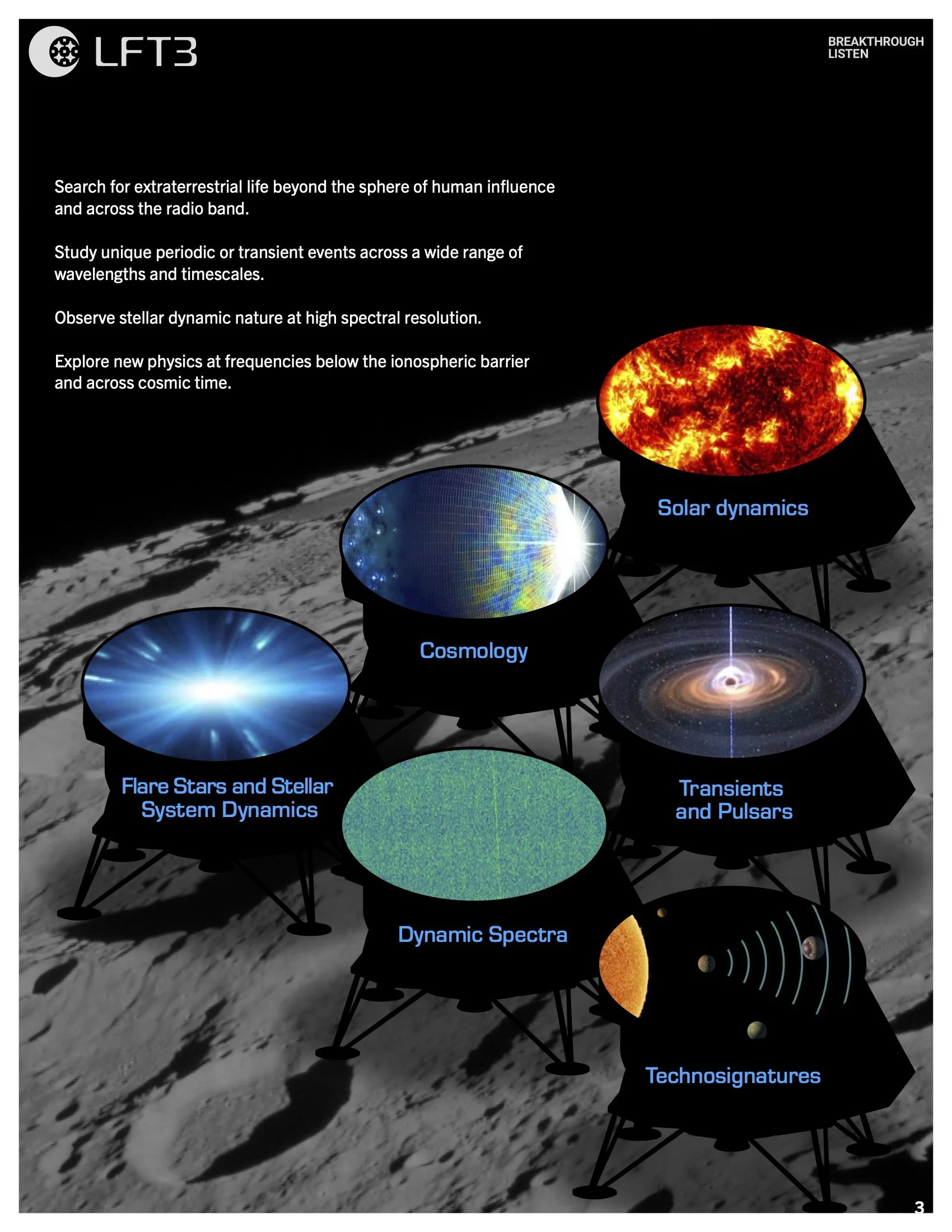
I am a team member of the LFT3 (Lunar Farside Techno-signature and Transients Telescope) proposed mission.
LFT3 (Lunar Farside Techno-signature and Transients Telescope)
The Lunar Farside Technosignatures and Transients Telescope (LFT3) will search the farside sky for radio emissions from technosignatures and known astrophysical sources, and create a historical record of lunar radio observations before human infrastructure and radio pollution are present on the Moon. LFT3 is the only mission across this band proposed to take advantage of this unique opportunity in human history.
We detected terrestrial technosignatures from the Lunar surface for the first time using ROSLES-1, NASA’s first Lunar radio telescope. This result is a modern version of Carl Sagan’s famous experiment using NASA’s Galileo spacecraft in the 1990s but the ROLSES data is more exhaustive. The future ROLSES-2 mission (launch in 2028) will provide a statistical sample. Thus, our study will be an important calibration for SETI radio searches.
I received a pilot study grant to investigate whether natural planetary and stellar radio emissions could reduce the sensitivity and/or be a false-positive of SETI radio searches. This study is ongoing.
I’m also team member on the NenuFAR long-term program performing the first ever modern SETI radio search focused on the 10-70 MHz low-frequency radio-band. These observations are ongoing.
SETI (Search for Extraterrestrial Intelligence)
I am the PI of a large effort searching for transit timing variations (TTVs) on hundreds of exoplanets using TESS (Transiting Exoplanet Survey Satellite). All our studies highlight the capabilities of TESS for robust follow-up of suspected targets.
Using TESS observations we confirmed that the ultra-hot Jupiter WASP-12b's orbit was decaying (Turner et al. 2020b). Currently, WASP-12b is the only hot Jupiter known to be decaying, a phenomenon that is predicted to be common. We find that WASP-12b will spiral into its star in 3 million years (very short for astronomical times)! This study offer significant contributions towards our understanding of planet evolution.
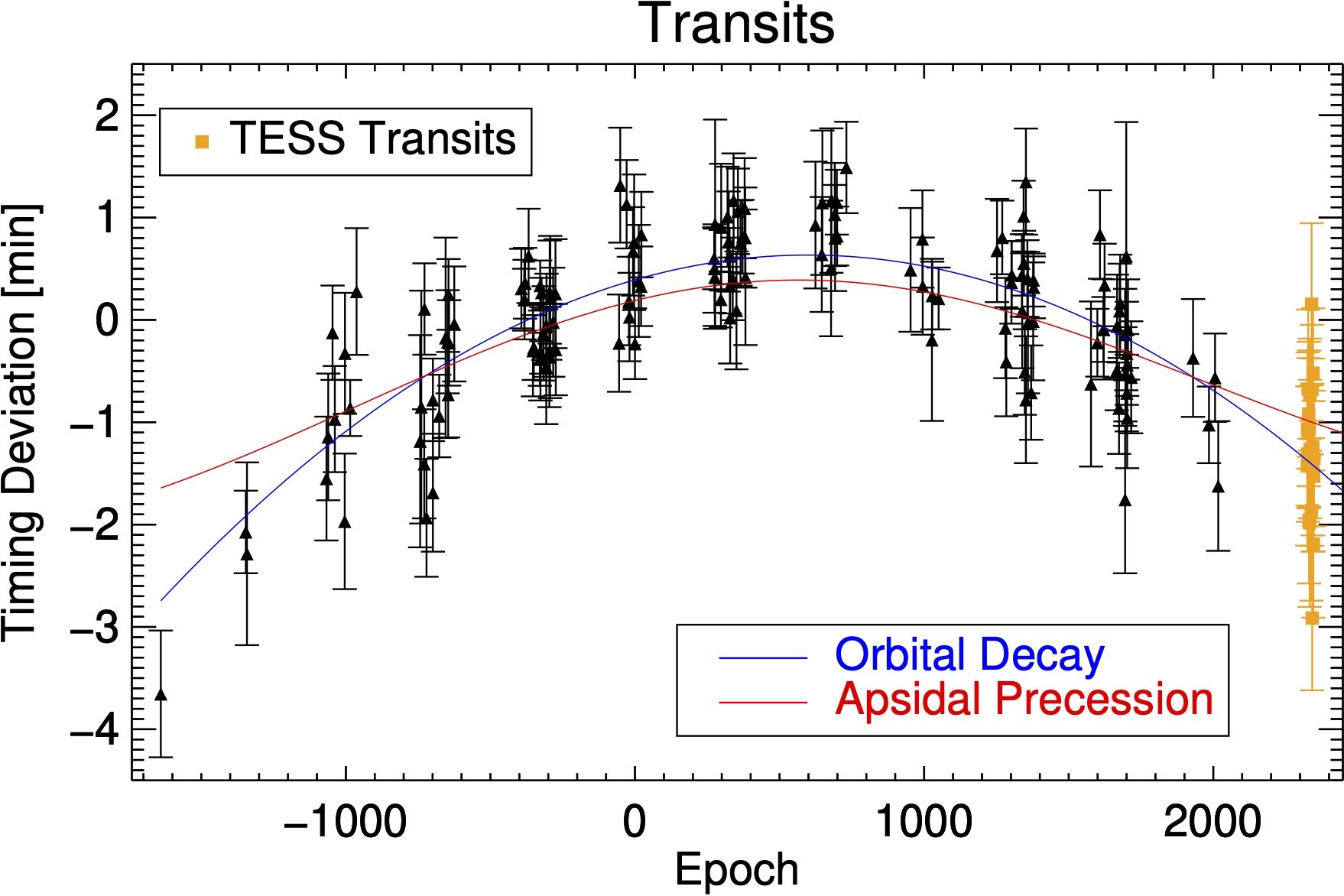
Transit timing variations of WASP-12b. These variations indicated a decaying orbit for WASP-12b. Figure from Turner et al. 2020b.
This video introduces the Transiting Exoplanet Survey Satellite (TESS) mission. | Video Credit: NASA/MIT
In 2020, my team at Cornell examined TESS observations of the hot Jupiter XO-6b (Ridden-Harper et al. 2020), which ground-based observations suspected had TTVs. We found no evidence of TTVs from TESS, highlighting the usefulness of TESS follow-up observations. We conclude that the ground-based observations had unknown timing problems.
In 2022, I led our team studying TESS observations of the hot Jupiter WASP-4b and we find signs of TTVs (Turner et al. 2022). The TTVs can be explained with either a decaying orbit or apsidal precession, with a slight preference for orbital decay.
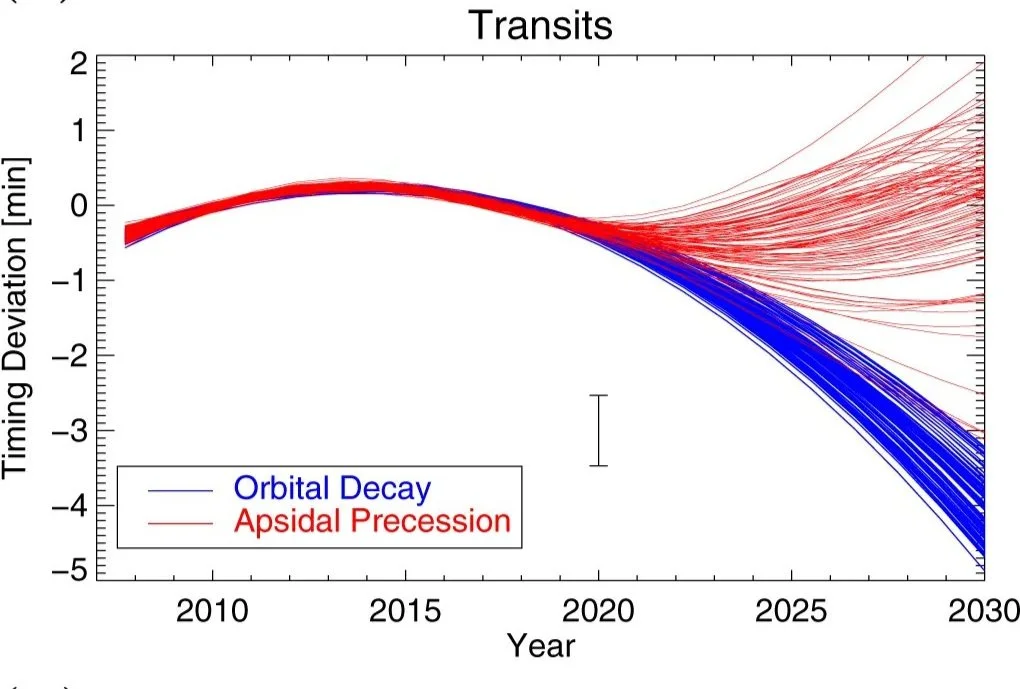
We predict that by the mid-2020s the physical reason of the TTVs on WASP-4b can be determined. Figure from Turner et al. 2022.
Exoplanet Orbital Evolution
Discovering New Planets
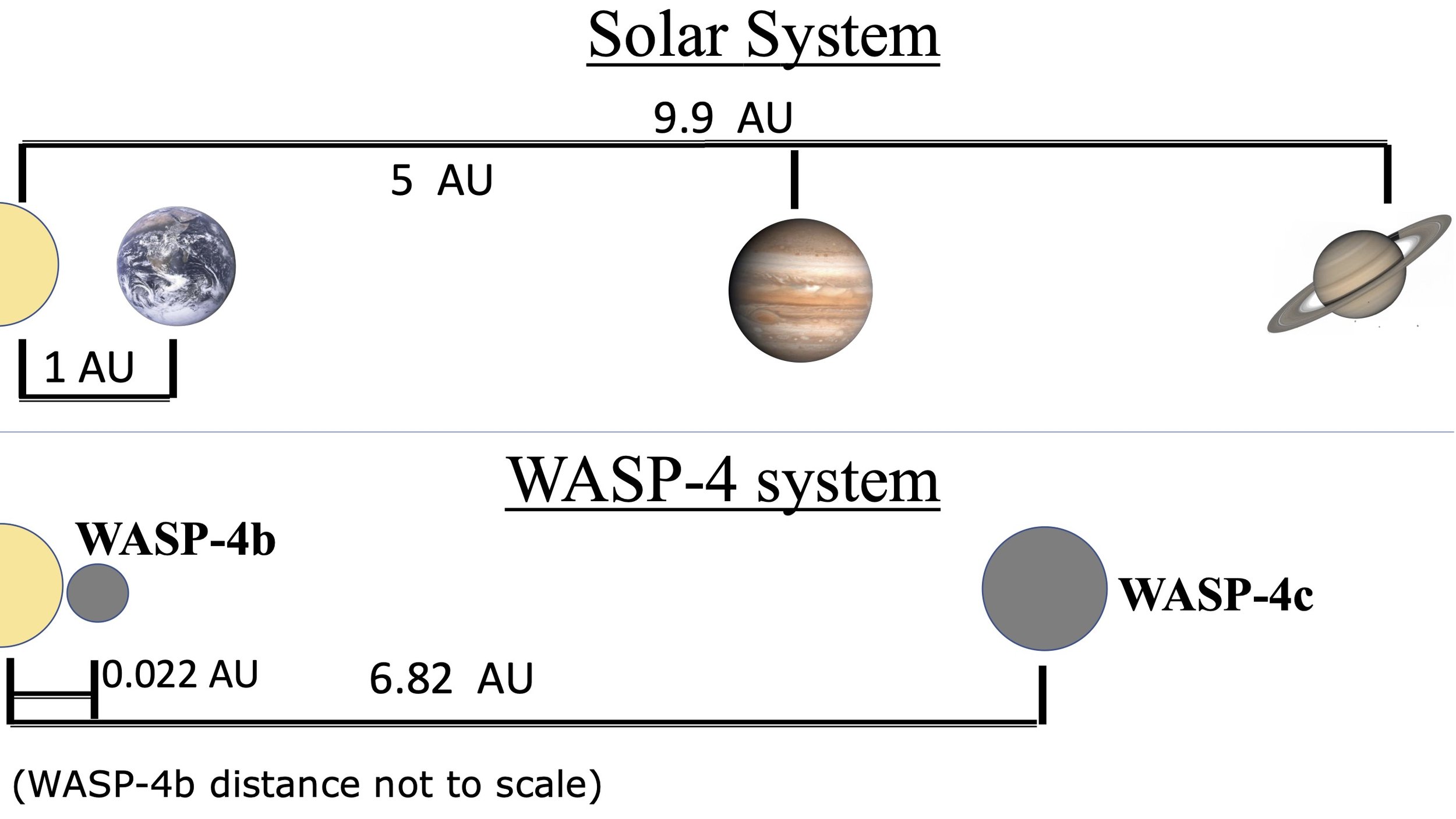
In 2022, my team at Cornell discovered the most widely separated companion (WASP-4c) of a transiting hot Jupiter to date using radial velocity measurements (Turner et al. 2022). WASP-4c is 5x the mass of Jupiter, has an orbital period of 7000 days, and orbits at a distance of 6.82 AU. This new planet offers significant contributions towards our understanding of planet formation and evolution.
The original goal of the study was to study the changing orbit of the hot Jupiter WASP-4b. We discovered this planet by accident! That is how science goes sometimes.
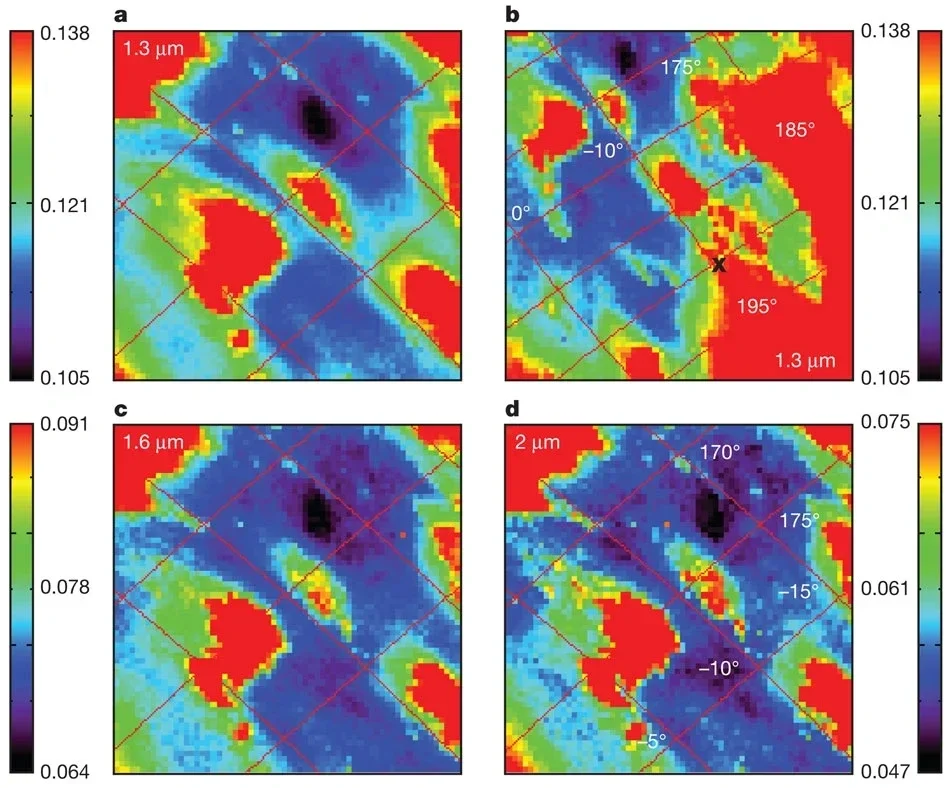
Images of Titan at three wavelengths that probe the surface. The dark region is the location of the methane lake. Figure from Griffith et al. 2012.
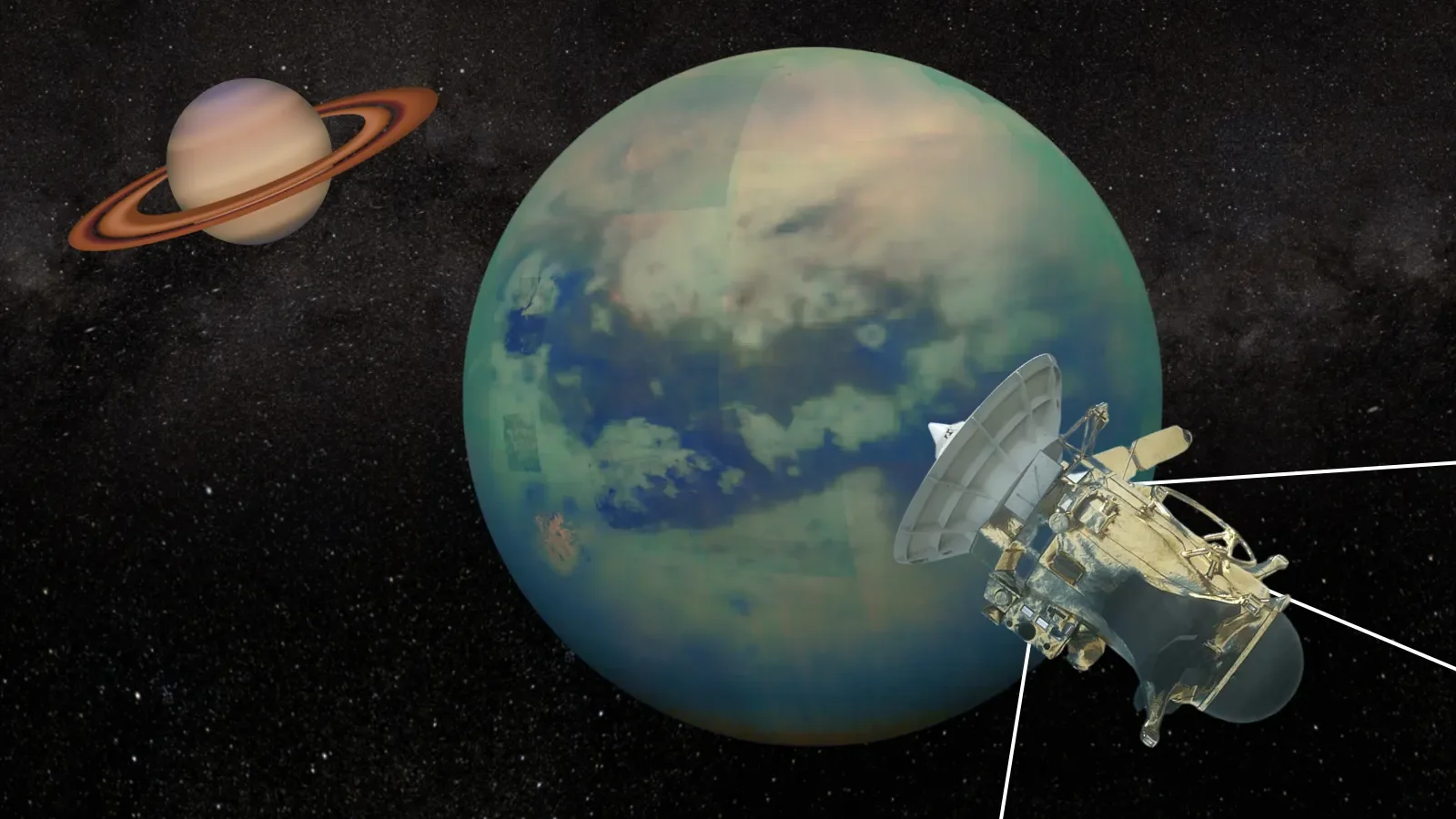
The Cassini spacecraft investigating Titan with its parent planet Saturn in the background. | Image credit: NASA/Robert Lea
In 2019, we derived the first large-scale compositional map of Titan’s equatorial belt. We detected an ice-rich linear feature of bedrock, which extends a length 40% of Titan’s circumference (Griffith et al. 2019). We find that Selk crater is rich in water, a key property that influenced this area to be selected as the Dragonfly landing site.
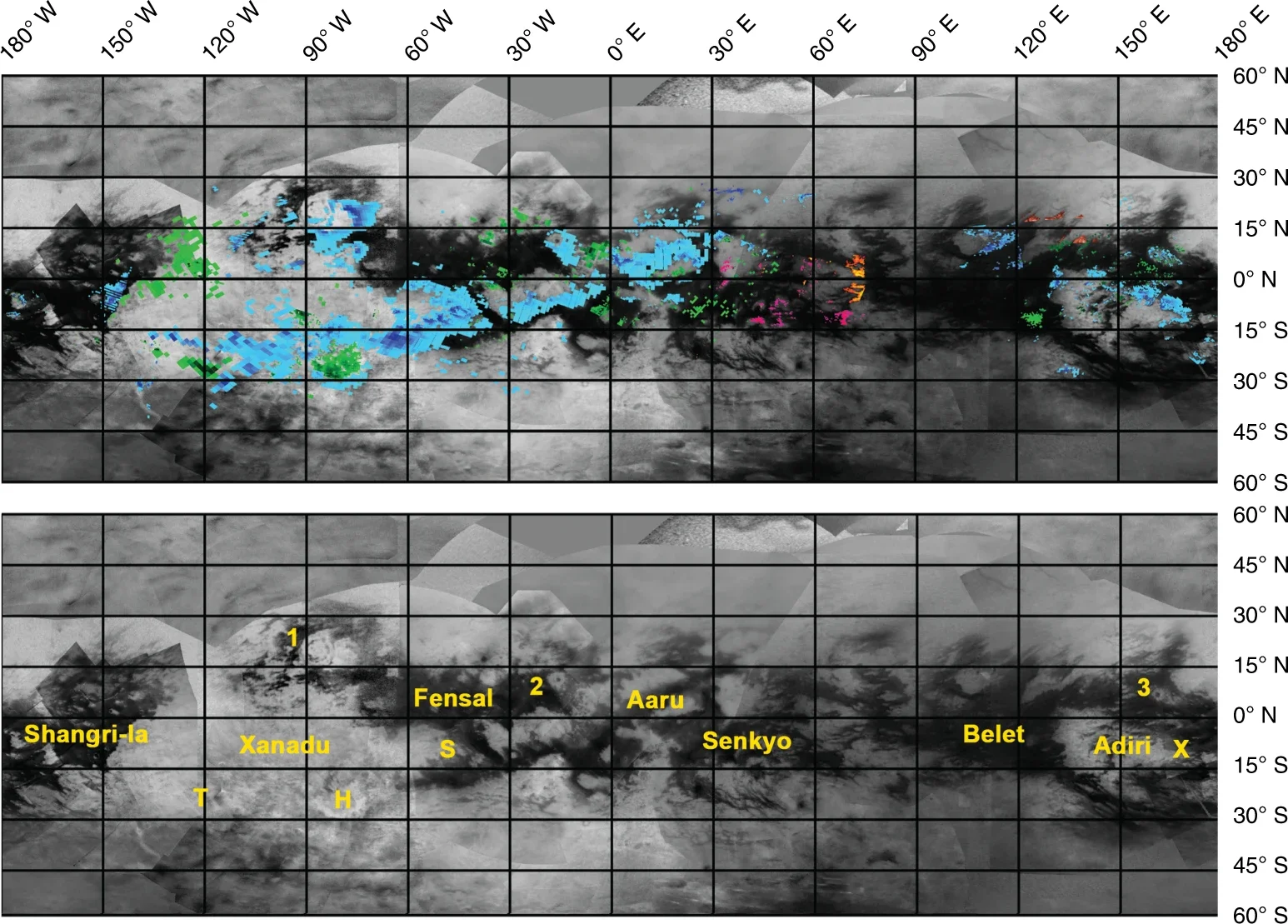
Composition map of Titan. Blue pixels indicate ice-rich regions while the green, red, orange and brown pixels indicate diverse ice-poor regions (Griffith et al. 2019).
I led the discovery of the first ever methane lake on the equator of Titan (Griffith et al. 2012). This lake is believed to be fed by a subsurface reservoir that may supply Titan’s methane, representing the first evidence of such an underground source. I found this methane lake by accident and it completely changed the direction of research. This is also how science goes sometimes.